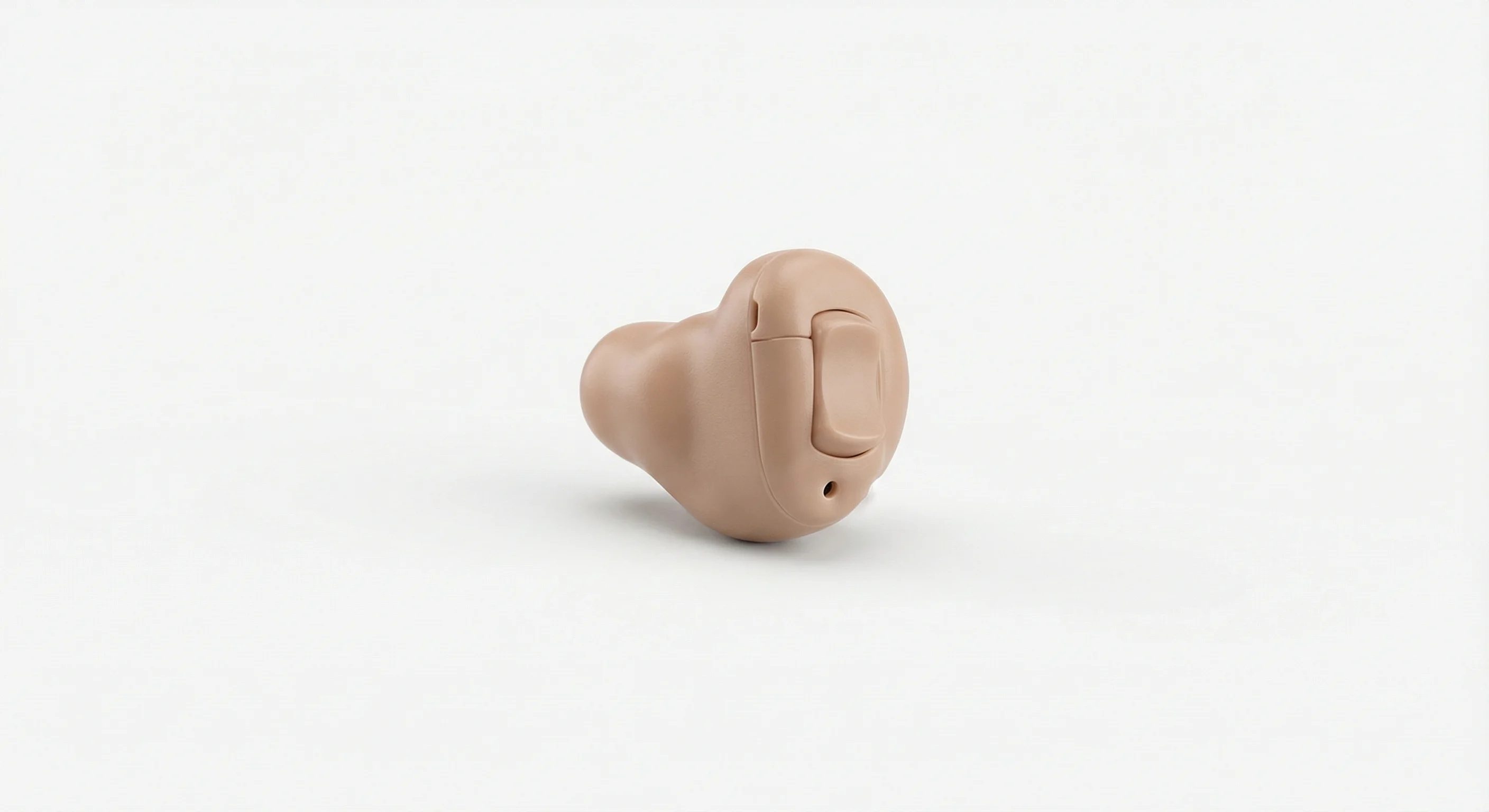
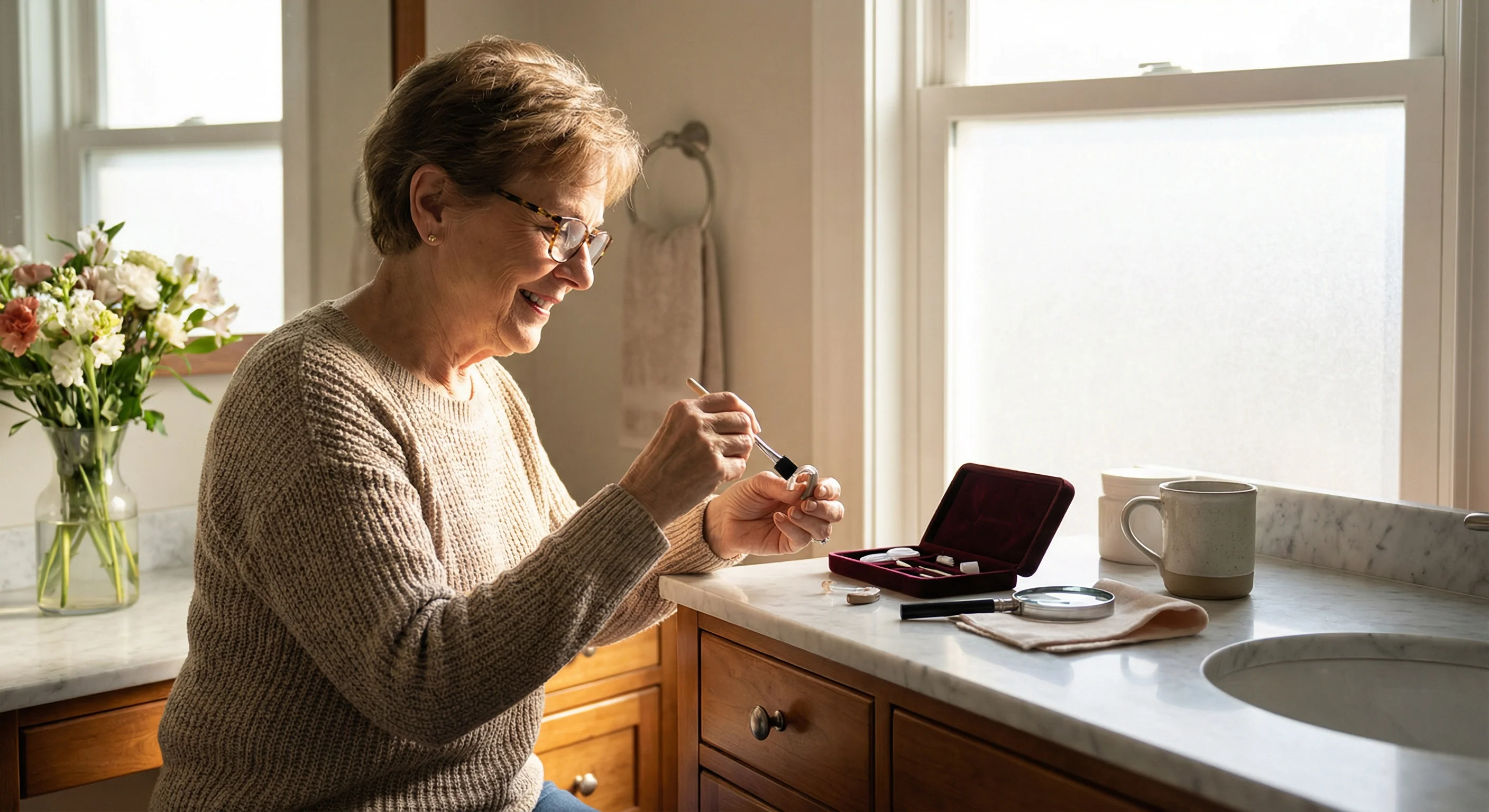
Modern hearing aids pack advanced technology into small devices. They can automatically adjust to different sound environments and help make speech clearer against background noise. Many can stream phone calls and music directly to your ears. Some styles are designed to be discreet, depending on your hearing needs and preferred fit. For people with hearing changes, today's technology can support connection and quality of life.
At our Caloundra clinic, we handle the whole journey. That includes selection, precise fitting and programming, ongoing adjustments, maintenance and repairs, and long-term care as your needs change. We work with all major hearing aid manufacturers. You get access to a wide range of technology, with independent, professional advice about which devices suit your hearing, lifestyle and budget.
Choosing hearing aids is about more than picking a product. You're starting a long-term relationship with your devices — and with the professionals who support you. The quality of the fitting often matters as much as the technology itself. Hearing aids programmed precisely for your hearing loss, and verified with real-ear measurement, generally perform better than the same devices fitted without this process.
How Modern Hearing Aids Work
It helps to understand what hearing aids actually do, so your expectations are realistic. Think of them as personal sound systems. Microphones capture the sounds around you. The processor shapes those sounds to match your hearing loss. Tiny speakers, called receivers, deliver the result into your ear canal.
1
Microphones & Processing
The microphones detect environmental sounds—speech, music, background noise. Digital processing chips analyse these incoming sounds thousands of times per second, identifying speech vs noise, sound direction, environment type, and adjusting amplification accordingly.
2
Frequency-Specific Amplification
Many people hear low-pitched sounds relatively well but struggle with higher frequencies where consonants live. Hearing aids can boost high frequencies substantially while providing minimal or no amplification where your hearing remains good.
3
Listening Programmes
Devices can include programmes for quiet conversation, noisy restaurants, music, or telephone use. Many switch automatically; manual control via smartphone apps allows discreet adjustment.
4
Wireless Connectivity
Modern aids stream calls, music, podcasts, and TV audio directly from compatible devices, acting like wireless earbuds precisely tuned to your hearing.
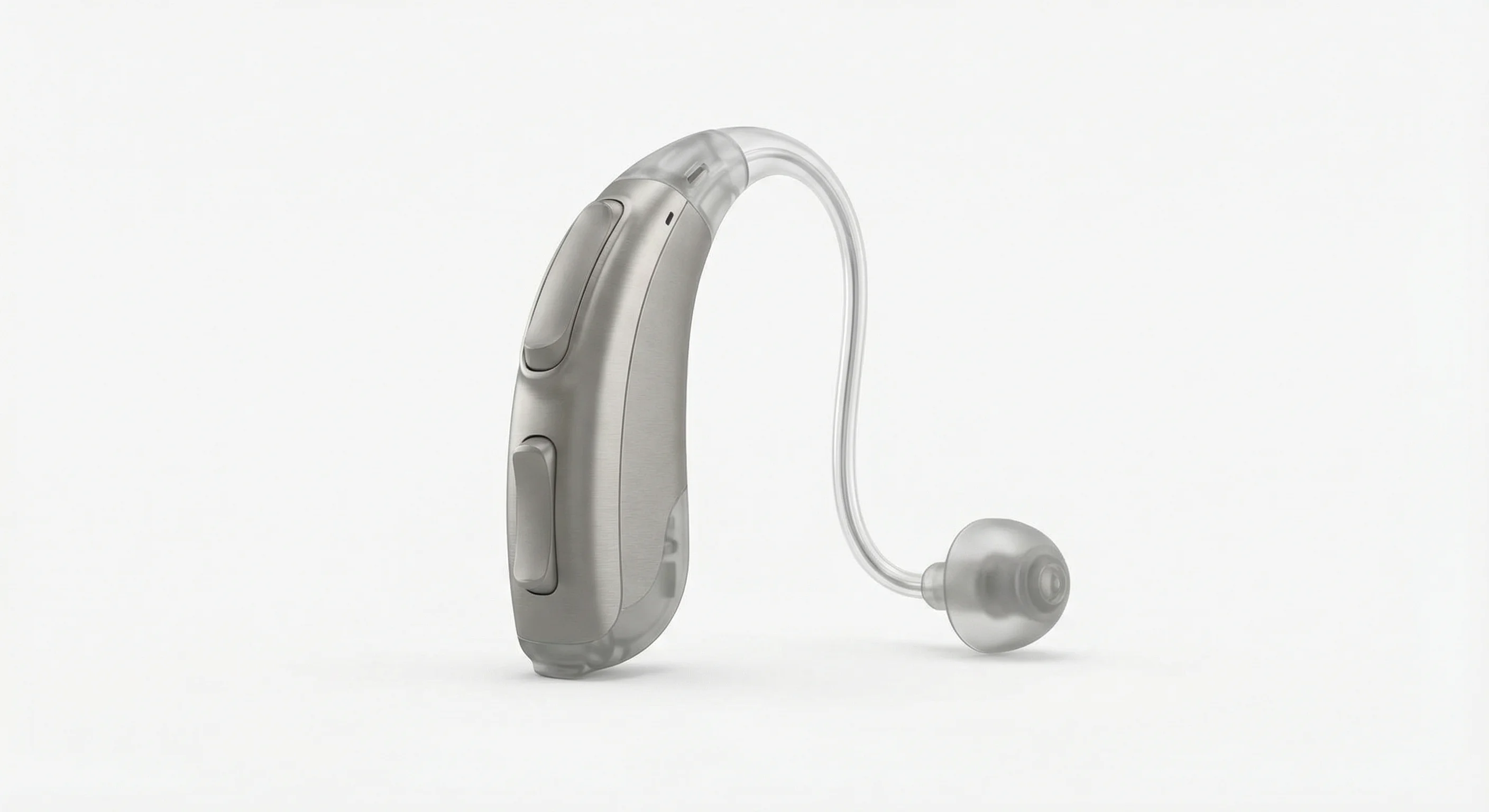
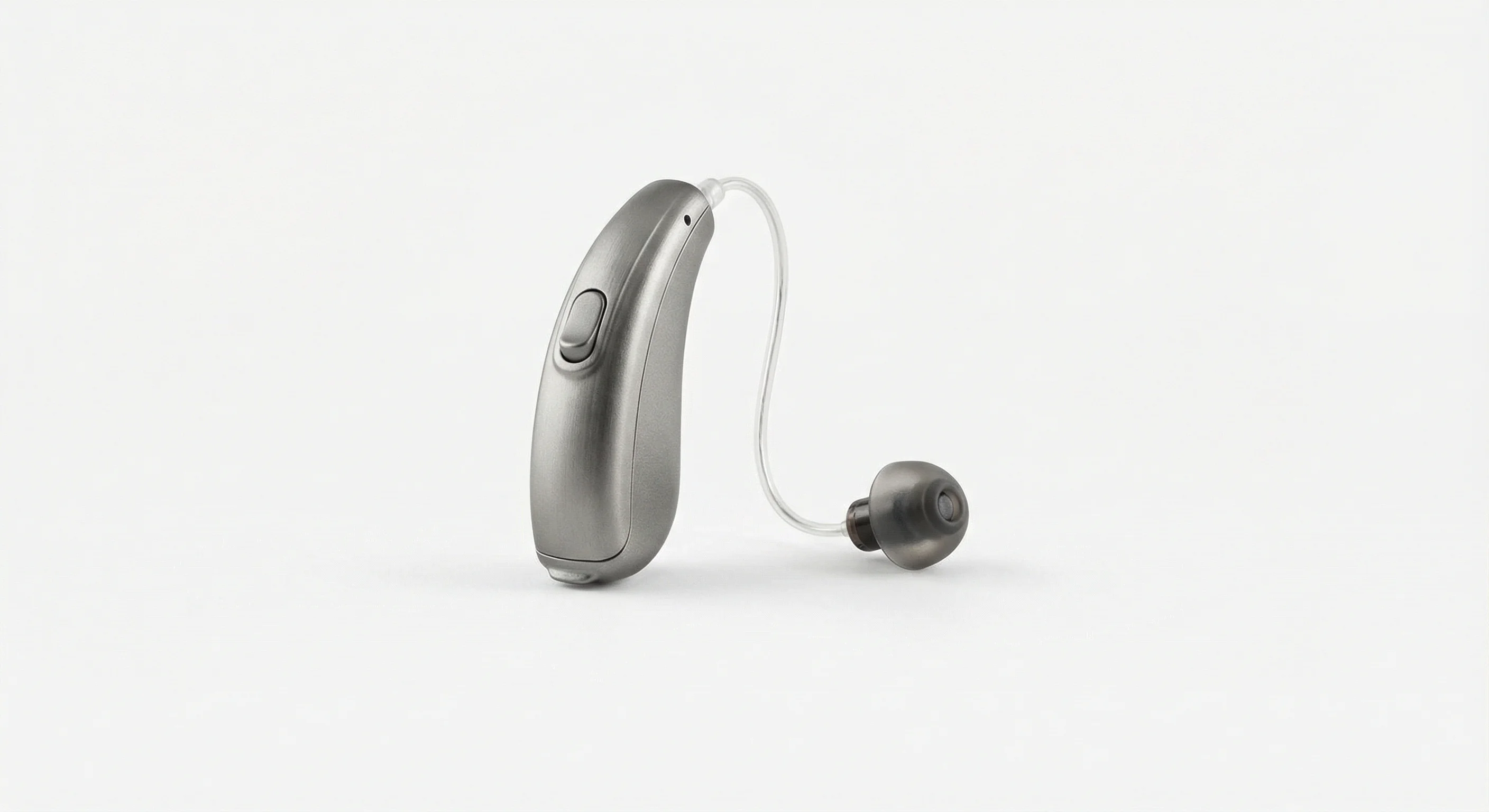
Behind the Ear
Receiver in Canal
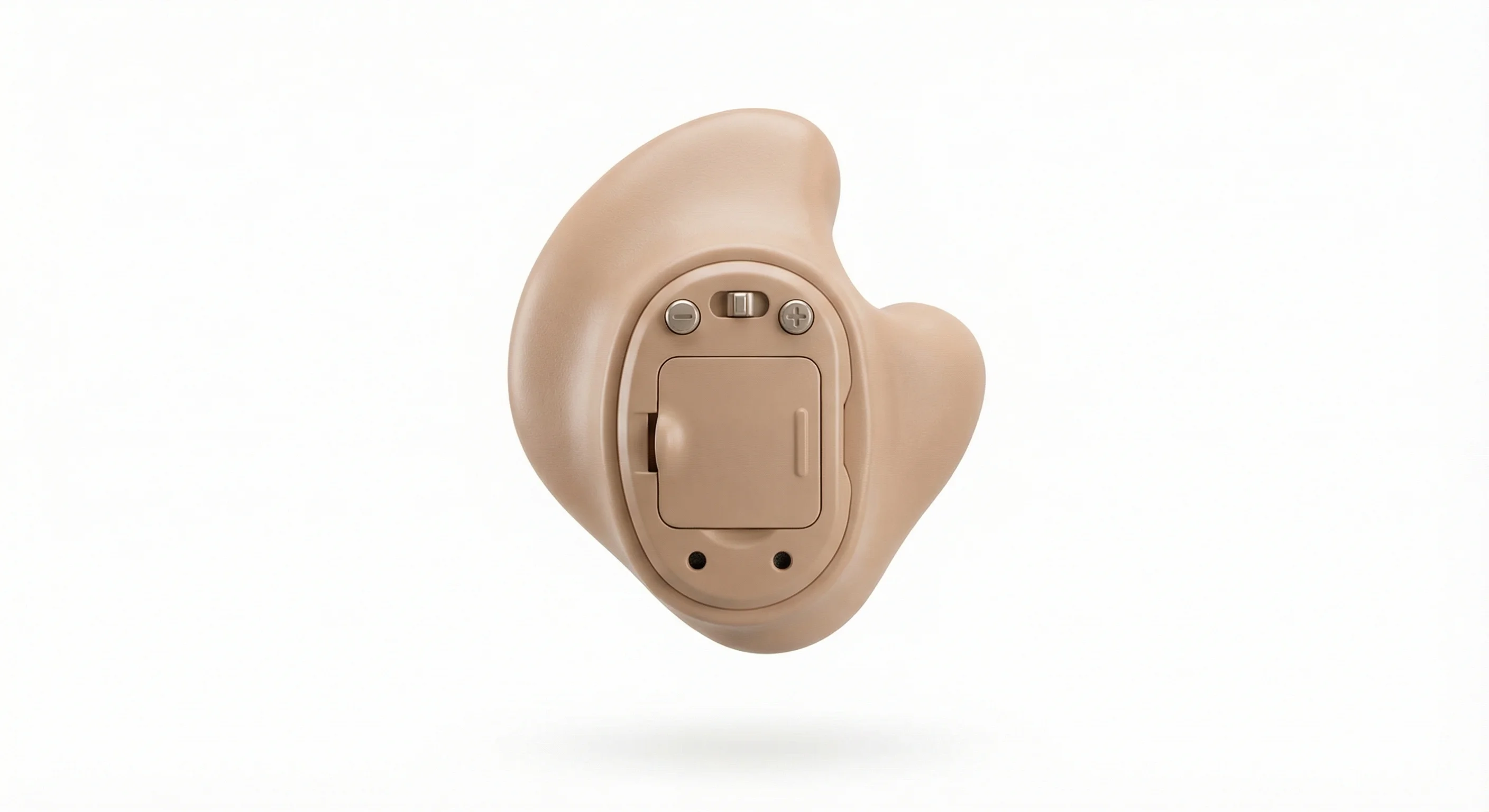
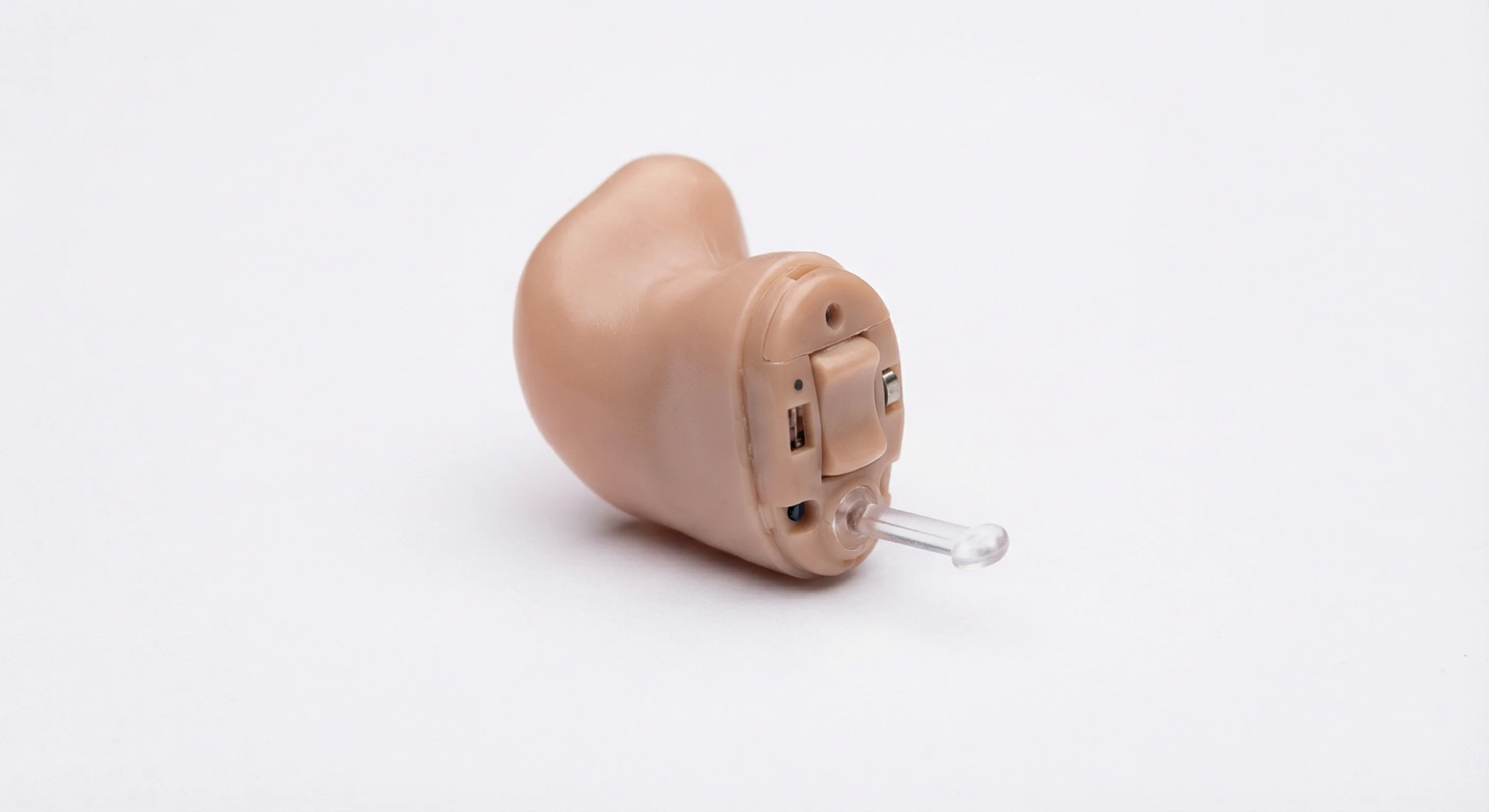
In the Ear
Completely in Canal
Invisible in Canal
Behind-the-Ear
Sits behind the ear with tubing or a wire to an earmould/dome. Suits mild to profound loss, allows larger batteries and more power.
BTE
Hearing Aid Styles — Behind-the-Ear, In-the-Ear & Invisible
Hearing aids come in various styles balancing size, power, features, and visibility. The "best" style depends on hearing loss severity, ear anatomy, dexterity, and aesthetic preferences.
Behind-the-Ear (BTE)
Sits behind the ear with tubing or a wire to an earmould/dome. Suits mild to profound loss, allows larger batteries and more power. Excellent for severe hearing loss.
BTE
Hearing Aid Brands and Manufacturers
We work with all major manufacturers to prioritise your needs:
As an independent clinic, we give brand-agnostic, independent advice across leading manufacturers, and we can discuss Hearing Services Program options with eligible clients.
Phonak
AutoSense environment detection, broad Bluetooth compatibility, extensive styles including rechargeables.
Oticon
BrainHearing™ philosophy; natural access to the full sound scene; excellent in complex environments.
ReSound
Leaders in wireless streaming; strong app control and natural sound.
Bernafon
Swiss precision with natural sound processing at competitive price points.
Beltone
Exclusive remote care options allowing adjustments without visiting the clinic.
Other Brands
Quality brands including Starkey and Unitron may also be recommended based on your specific needs.
The Hearing Aid Fitting Process
Our evidence-based process produces optimal outcomes:
Step 1: Assessment
Following your comprehensive hearing assessment, we discuss whether amplification suits your communication needs and goals.
Step 2: Options & Selection
Review styles, features, and technology tiers aligned with your lifestyle and budget.
Step 3: Impressions/Ordering
Take ear impressions for custom devices or select appropriate receivers/domes for RIC/BTE.
Step 4: Programming
Apply prescriptive formulas to set initial frequency-specific amplification.
Step 5: Verification
Perform real-ear measurement to confirm sound at the eardrum matches targets; adjust until it does.
Step 6: Orientation
Teach insertion/removal, cleaning, battery/charging, controls/apps, troubleshooting, and set expectations. You leave wearing your hearing aids, ready to use them successfully.
The Adjustment Period and Follow-Up Care
Important: Adaptation Takes Time
Your brain needs time to relearn which sounds to prioritise. Initial overwhelm is normal and fades with consistent daily use. We schedule follow-up appointments in your first months to fine-tune programming based on real-world experiences. Several adjustments are common and expected.
Consistency
Wear devices throughout waking hours to accelerate adaptation.
Trials
Our hearing aid trial programme provides a safety net—if benefits aren't sufficient, we'll explore alternatives.
Advanced Features and Technology
Modern hearing aids include sophisticated features that enhance your listening experience:
Noise Reduction
Lowers background noise relative to speech (more sophisticated in higher tiers).
Directional Microphones
Focus on speech in front; switch automatically with environment.
Feedback Cancellation
Prevents whistling and allows more usable gain.
Wind Noise Reduction
Improves comfort outdoors.
Tinnitus Features
Built-in sound therapy for tinnitus with hearing loss.
AI Personalisation
Learns preferences and auto-adjusts by environment.
Connectivity and Accessories
Enhance your hearing aids with wireless connectivity:
Bluetooth Streaming
Calls, music & TV audio
Remote Microphones
Partner mic streaming
TV Streamers
Personal TV volume
Smartphone Apps
Discreet control
Caring for Your Hearing Aids
Daily Care
Brush away wax/debris each evening.
Moisture Control
Keep dry; use a dehumidifier if humid or if you perspire.
Safe Storage
Use the case/charger; keep away from pets and small children.
Professional Maintenance
Book maintenance appointments every 4–6 months for deep cleaning and performance checks.
Hearing Aid Prices & Technology Levels in Caloundra
Hearing aids come in different technology tiers to suit various budgets and listening environments:
PREMIUM
Premium/Advanced
Most channels and sophisticated processing; best for challenging noise and complex listening.
RECOMMENDED
Mid/Standard
Strong all-rounders for typical environments; good value.
ESSENTIAL
Essential/Basic
Core amplification for quieter lifestyles; fewer features.
What's Included in Your Investment
Pricing typically includes devices, fitting/programming, follow-ups during trial, warranties (loss/damage), and ongoing support. Private health insurance may provide rebates; eligible pensioners and veterans may access government support.
HEARING AIDS FAQ
Frequently Asked Questions
Common questions about hearing aids and technology solutions in Caloundra.
Our Caloundra clinic offers advanced hearing aid technology including Bluetooth connectivity for seamless streaming from smartphones and TVs, rechargeable lithium-ion batteries that last all day, and artificial intelligence that automatically adapts to different listening environments. We stock leading brands like Phonak, Oticon, ReSound, Bernafon, and Beltone, each offering unique features such as direct Android and iPhone connectivity, tinnitus management programmes, and sophisticated noise reduction systems. Many models now include smartphone apps that allow you to personalise your hearing experience, track health metrics, and even translate languages in real-time, making them true smart devices for better hearing on the Sunshine Coast.
Our comprehensive fitting process begins with a detailed hearing assessment and lifestyle discussion to determine the most suitable hearing aid style and technology for your needs. We use Real Ear Measurement (REM) technology, the gold standard in hearing aid fitting, which involves placing a tiny microphone in your ear canal to verify that your hearing aids are delivering the exact amplification prescribed for your unique hearing loss. The initial fitting appointment typically takes 60-90 minutes and includes programming your devices, teaching you how to insert and remove them, demonstrating maintenance procedures, and connecting any wireless accessories or smartphone apps. We schedule a follow-up appointment within two weeks to fine-tune settings based on your real-world experiences around Caloundra and the Sunshine Coast.
For active Sunshine Coast residents who enjoy our beaches, outdoor markets, and coastal walks, we often recommend Receiver-In-Canal (RIC) or Behind-The-Ear (BTE) models with high IP ratings for moisture and dust resistance. These styles typically offer the best battery life, are easier to handle for those with dexterity issues, and can accommodate more powerful technology for better performance in windy coastal conditions. For those prioritising discretion, Completely-In-Canal (CIC) and Invisible-In-Canal (IIC) options are virtually undetectable, though they may require more frequent battery changes and aren't suitable for all hearing loss levels. Many Caloundra clients choose rechargeable RIC models for the convenience of never buying batteries, especially important when travelling or enjoying extended days out on the Sunshine Coast.
Caloundra's humid coastal climate requires extra attention to hearing aid maintenance to help prevent moisture damage and support performance. We recommend using a dehumidifier or drying kit nightly, especially during our humid summer months, and keeping spare wax filters to change weekly as beach activities and ocean air can increase wax production. Clean your devices daily with the provided tools and avoid using water or cleaning products not specifically designed for hearing aids. Our clinic provides complimentary cleaning and checks every three months, and we stock all necessary maintenance supplies including wax guards, domes, cleaning tools, and drying capsules specifically suited to Sunshine Coast conditions.
Each brand offers different features: Phonak includes AutoSense OS technology, designed to automatically adjust settings for different environments, plus Bluetooth connectivity compatible with a wide range of phones. Oticon's BrainHearing technology is designed to support how the brain processes sound. ReSound was an early developer of Made for iPhone technology and offers smartphone app integration and rechargeable options. Bernafon and Beltone also offer rechargeable and remote-adjustment options. Your hearing care professional can help you compare features and find the option best suited to your individual hearing test results and lifestyle.
Yes, we offer a comprehensive trial programme allowing you to test hearing aids in your daily Caloundra lifestyle for up to 30 days before making a final decision. During the trial period, you'll experience how the devices perform in your regular environments—whether that's at Caloundra RSL, shopping at Stockland Caloundra, or walking along Kings Beach. We can adjust settings throughout the trial to optimise performance, and you can even try different models or brands to find your perfect match. If you decide hearing aids aren't right for you, simply return them within the trial period for a full refund of any deposit paid, though most clients find the improvement in their quality of life makes them indispensable.
Our comprehensive aftercare programme includes unlimited fine-tuning appointments, quarterly professional cleaning and checks, and annual hearing reviews to help ensure your devices continue meeting your needs as they may change over time. All hearing aids come with manufacturer warranties ranging from two to five years covering repairs and replacements, and we handle all warranty claims directly from our Caloundra clinic to minimise inconvenience. We offer same-day repairs for minor issues, loan devices if your hearing aids need to be sent away for service, and emergency appointments for urgent problems, helping minimise any time without your hearing aids. Additionally, our team provides ongoing education about new features, accessories, and technologies that could enhance your hearing experience, keeping you connected with the latest advancements.
The information on this page is general in nature, and hearing outcomes, results and experiences vary from person to person. It is not a substitute for professional advice about your individual hearing health. Eligibility criteria apply to government programs and rebates, such as the Hearing Services Program. For advice specific to you, book an appointment with our Qualified Audiometrist.