Hearing Protection in Caloundra: Workplace, Musicians & Noise
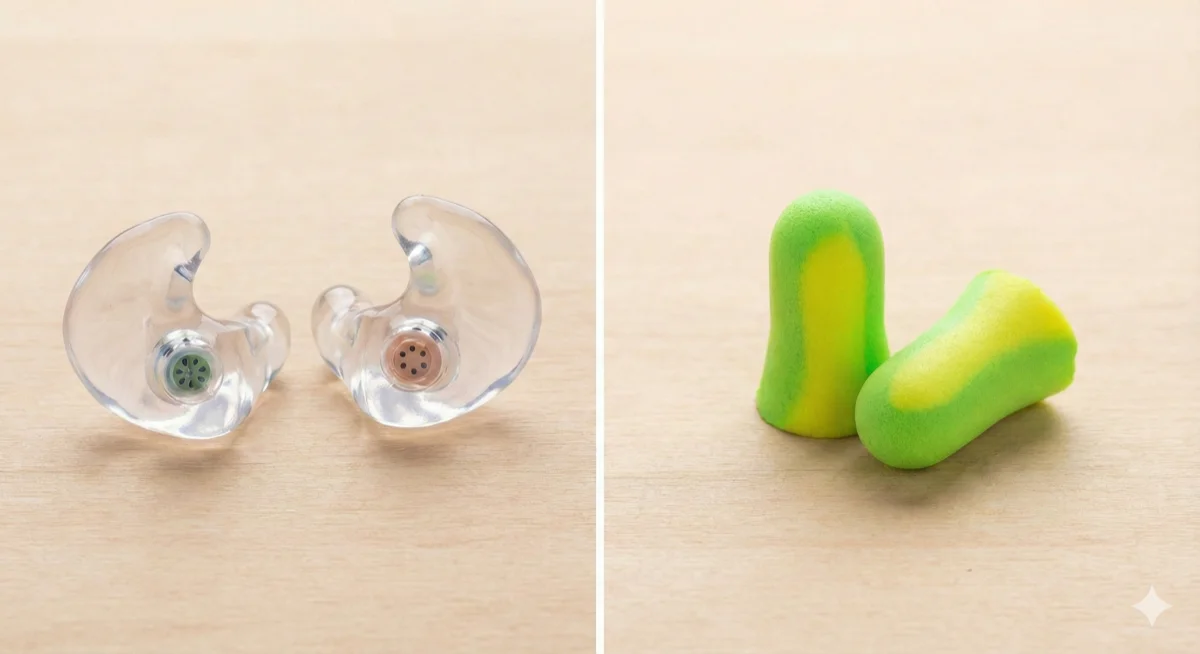
Custom hearing protection reduces noise precisely, while keeping the sound quality you need for work, communication and recreation. Generic foam plugs block everything crudely. Custom-moulded earplugs are different. They cut noise by a measured amount, matched to your exposure, while keeping speech and music clear. This page explains the benefits, the types available, the fitting process, and how to choose protection that suits your hearing needs.
We start with a professional assessment of your noise exposure, protection needs and how you'll use them. That way your custom earplugs match your real situation — not a generic guess.
Looking for the earplugs themselves? Our Custom Ear Plugs page covers the moulding process, swim and sleep plugs, materials, care and what to expect. This page is about choosing the right protection for your noise environment.
Custom Protection for Musicians
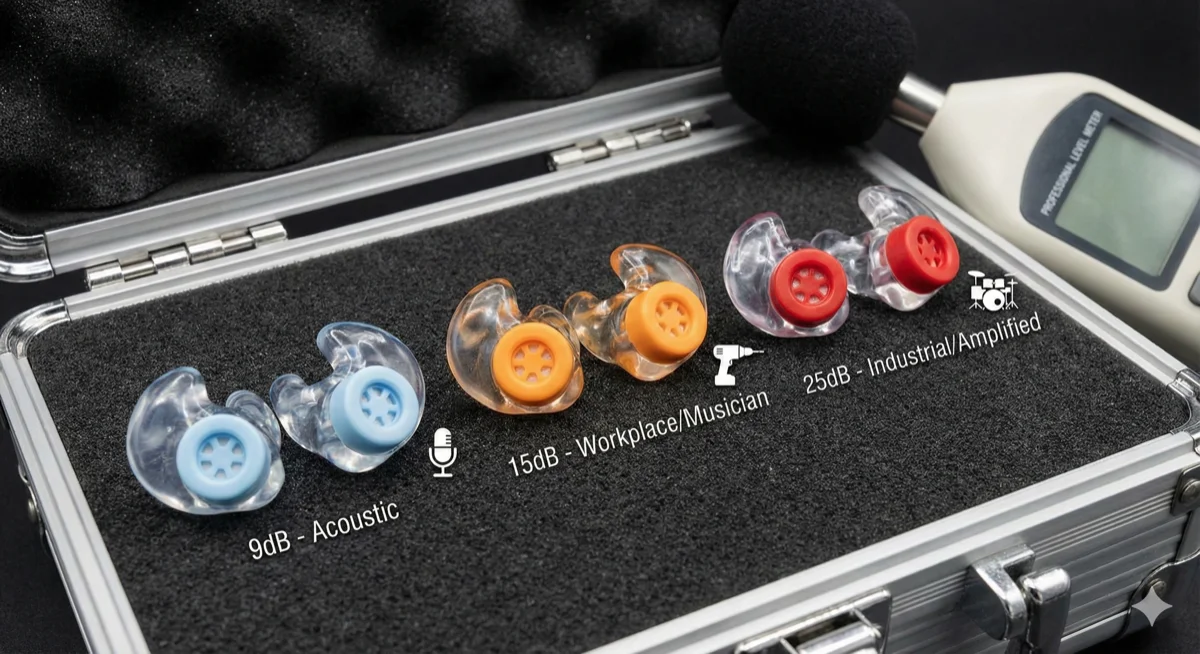
Musicians require noise reduction without sound distortion. Standard plugs are unsuitable because they destroy tonal balance. Flat attenuation maintains natural sound rather than muffling specific frequencies. Musicians' plugs typically reduce all frequencies equally by 9 dB, 15 dB, or 25 dB depending on filters.
Multiple filter options allow different protection for rehearsal vs performance. Interchangeable filters add versatility. Preserved sound awareness allows hearing your instrument, monitoring others, and communicating with conductors. Performers who speak to audiences benefit from natural-sounding speech rather than the muffled tones caused by heavy foam plugs.
Instrument-specific needs affect ideal attenuation: drummers often need heavy protection, strings moderate, brass and vocalists vary, and sound engineers require balance for accurate mixing.
Industrial & WHS Workplace Noise Protection
Workplace noise requiring hearing conservation programmes demands reliable protection workers will consistently wear. Custom protection is designed to help support compliance with WHS noise regulations by providing measured attenuation — though overall compliance depends on the employer's full hearing conservation programme. Filtered industrial plugs allow communication with colleagues, hearing alarms, and maintaining safety without removing protection.
All-day comfort encourages workers to keep protection in for full shifts. Industrial hearing testing often reveals preventable hearing loss in workers using generic plugs inconsistently. Custom protection helps prevent this. Custom moulds also provide durability in harsh environments, resisting oils, sweat, and repeated handling.
Types of Custom Hearing Protection in Caloundra
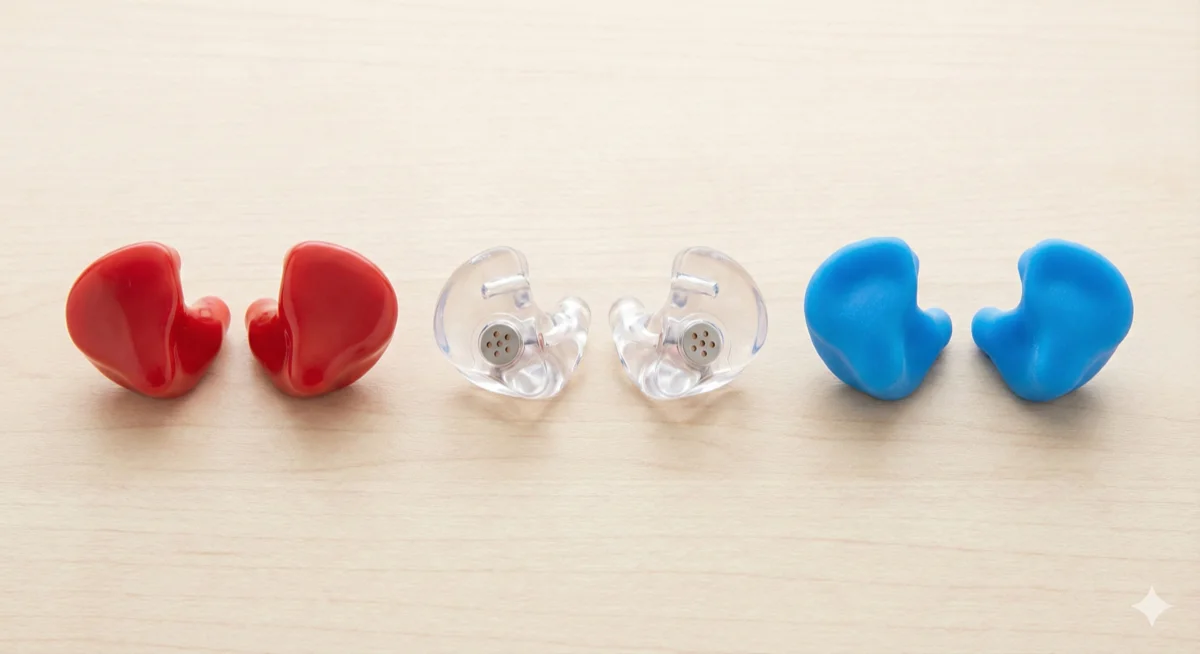
Solid custom moulds offer maximum attenuation (25-30 dB) suitable for very loud environments or heavy industrial use. Filtered musician plugs reduce sound evenly across frequencies (typically 9, 15, or 25 dB). Communication plugs allow speech frequencies through while blocking machinery noise.
Electronic ANR plugs reduce low-frequency noise electronically while preserving important sounds. Swim plugs prevent water entry and differ from noise protection designs. Sleep plugs use soft materials and shallow fitting for comfort during side-sleeping.
Choosing Filters & Decibel Reduction Levels
9 dB filters offer light protection for moderate noise or acoustic performances. 15 dB filters provide balanced protection suitable for most musicians, many workplaces, power tools, and lawn equipment. 25 dB filters suit extremely loud environments such as amplified music, drumming, industrial machinery, or clubs.
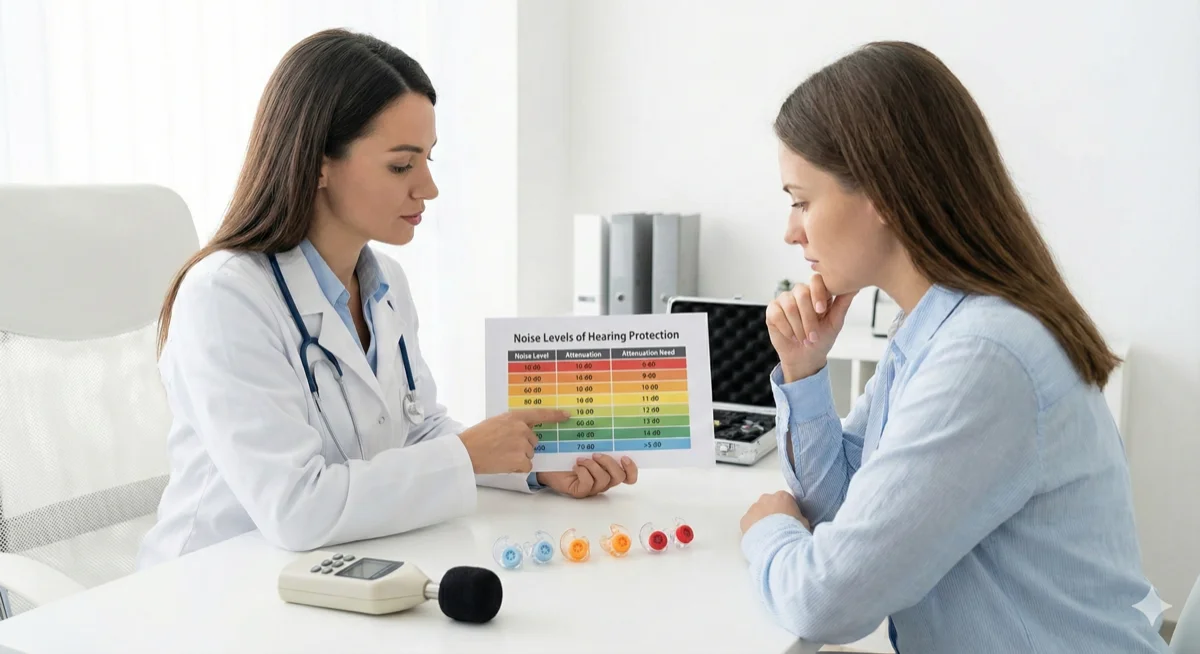
Professional noise measurement helps determine exact attenuation needs. Both under-protection and over-protection can be harmful; correct filter choice balances safety and awareness.
Selecting Appropriate Custom Protection
Selecting the right custom protection requires understanding your specific environments, noise exposures, and communication needs. Professional consultation ensures advice tailored to your usage patterns and safety requirements.
Noise assessments often reveal unexpected exposure levels influencing optimal filter selection. Frequent users benefit most from custom options, though even occasional users in extreme noise may require custom solutions. Budget considerations matter, but hearing preservation offers far greater value than the initial investment.