


Bluetooth hearing aids: a guide to wireless connectivity
In This Article
*This article is for educational purposes only and does not constitute medical advice. Hearing health is individual, and assessment results should always be interpreted by a qualified hearing health professional. If you are concerned about your hearing, please consult an accredited hearing healthcare provider for personalised advice.*
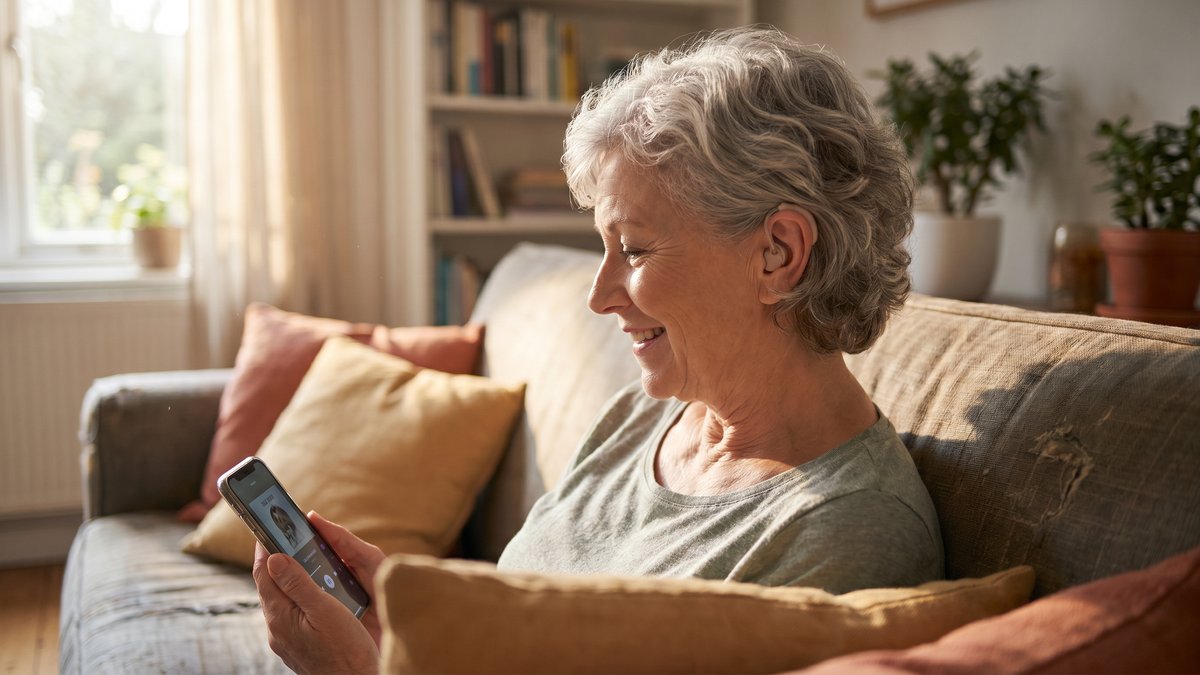
Bluetooth hearing aids connect wirelessly to smartphones, televisions, and other compatible devices, streaming audio directly to your ears. That means phone calls, podcasts, or your favourite streaming service delivered straight to your hearing devices — no intermediate accessories required, in many cases.
For Sunshine Coast residents with active lifestyles, the practical appeal is real. Taking a hands-free call on the Mooloolaba esplanade, streaming GPS audio while driving to Noosa, or adjusting your hearing aid volume without touching a button — these are everyday realities for people using modern wireless hearing devices.
This guide explains how Bluetooth hearing aids work, the differences between connection types, and what you need to think about before making a decision.
How Bluetooth hearing aids work
Bluetooth is a short-range wireless communication standard. You likely already use it — for wireless headphones, car audio, or your keyboard. In hearing aids, the same technology creates a direct link between your devices and compatible electronics.
When your hearing aids are paired with your smartphone, audio streams from the phone into your hearing aids in real time. The process happens with very low latency — typically milliseconds — so conversations and media feel natural rather than out of sync.
This direct pathway is the key advantage over traditional hearing aids. Instead of a phone conversation travelling through the air and being picked up by your microphone, the audio is delivered straight to your hearing aid's processor. The result is often cleaner audio, particularly in noisy environments where a microphone-based approach would capture surrounding sounds as well.
Bluetooth does consume additional battery power. Rechargeable hearing aids are typically charged each night, while devices using disposable batteries may require changes more often during periods of heavy streaming. Most modern devices manage this intelligently — disconnecting when idle and signalling low power well before you run out.
Connection range is typically up to ten metres from the paired device, though walls and other obstacles can reduce this in practice.
MFi vs ASHA: platform compatibility
Not all Bluetooth connections in hearing aids work the same way. The protocol your hearing aids use depends largely on which phone platform you use.
Made for iPhone (MFi)
Apple developed the Made for iPhone (MFi) protocol specifically for hearing devices. It uses Bluetooth Low Energy (BLE) — a power-efficient variant — to enable direct audio streaming from iPhones, iPads, and recent Mac computers.
Pairing is straightforward: you open Settings on your iPhone, navigate to Accessibility, then Hearing Devices, and follow the prompts. Once paired, phone calls, Siri, music, and any other audio from your iOS device streams directly to your hearing aids.
MFi works with most iPhones from 2013 onwards and is supported across a broad range of current hearing aid models. It does not apply to Android devices — if you use an Android phone, you will need a different protocol or a streaming accessory.
Audio streaming for hearing aids (ASHA)
Google developed ASHA as Android's counterpart to MFi. It similarly uses BLE for direct streaming without the need for an intermediate device.
ASHA is available on Android 10 and later, though connectivity experience may vary depending on device manufacturer. Both your Android phone and your hearing aids must support the protocol. If you use an older Android device or an Android phone from a manufacturer whose implementation of ASHA is limited, your hearing care professional can advise on your options.
ASHA supports streaming of phone calls, media, and Google Assistant to compatible hearing aids.
Classic Bluetooth
Some hearing aids use Classic Bluetooth, which offers broader device compatibility but at higher power consumption. Classic Bluetooth devices often require an intermediate streamer — a small accessory worn around your neck or kept in a pocket — that connects to your phone or other device and relays audio to your hearing aids.
This approach works with a wider range of devices including older Android phones, Windows computers, and other Bluetooth-enabled electronics. The trade-off is the additional accessory to manage and potentially reduced battery life.
Dual connectivity
Many current hearing aids support both MFi and ASHA, allowing you to pair with an iPhone for personal calls and an Android tablet for work, or to switch between platforms if you upgrade your phone.
The Bluetooth LE audio and auracast shift
A significant change is underway in how Bluetooth hearing aids connect to the world around them. Bluetooth LE Audio — built on Bluetooth 5.3 and 5.4 standards — represents a new generation of audio connectivity developed by the Bluetooth Special Interest Group (Bluetooth SIG).
Where current MFi and ASHA connections are one-to-one (your hearing aids paired to your phone), Bluetooth LE Audio introduces a broadcast capability called Auracast. With Auracast, a single audio source — a television in a café, a public address system at an airport, or a cinema screen — can transmit audio directly to any Auracast-compatible receiver nearby, including hearing aids.
For people with hearing aids, this matters considerably. Rather than relying on loop systems or asking venues to turn up the volume, an Auracast-equipped venue allows you to receive that audio stream directly in your hearing aids at your preferred volume and with your personal hearing profile applied.
Australian venues are beginning to explore Auracast rollouts, and several major hearing aid manufacturers have released Auracast-compatible models across their 2024 and 2025–2026 ranges. Bluetooth SIG describes Auracast as the emerging standard for public audio broadcasting.
If you are considering new hearing aids and anticipate using them for the next five to seven years, it is worth asking your hearing care professional which current models include Bluetooth LE Audio and Auracast support.
Streaming features: calls, TV, and music
Once your Bluetooth hearing aids are paired, several everyday tasks become easier.
Phone calls stream directly into both ears. Your hearing aids function like wireless headphones, delivering audio while your phone stays in your pocket. Many people find this resolves the feedback issues that occurred when holding a phone against an ear-level hearing aid. You can often answer or end calls by pressing a button on the hearing aid itself.
Television streaming typically requires a small TV streamer accessory — a separate device that plugs into your television's audio output and transmits the audio to your hearing aids. Once set up, you hear the TV at your preferred volume while others in the room hear it at theirs. TV streamers are generally sold separately and are often manufacturer-specific. Your hearing care professional can advise on compatible accessories for your devices.
Music, podcasts, and navigation audio stream from your phone just as they would to wireless earphones. Most hearing aids mix the streamed audio with environmental sounds, so you remain aware of your surroundings during a beach walk or while driving.
Video calls benefit from direct streaming too — the conversation is delivered clearly to both ears while your device's microphone captures your voice.
Battery life considerations
Bluetooth streaming does draw more power than standard hearing aid use. The practical effect depends on your usage patterns.
With disposable batteries, you may notice batteries needing replacement sooner during periods of heavy streaming. If you typically change size 312 batteries every five to seven days, that interval may shorten with regular streaming.
Rechargeable hearing aids are charged nightly and in most cases provide a full day of use — according to manufacturer specifications, which vary by model and usage pattern. Heavy streaming throughout the day — extended phone calls, continuous music, several hours of TV streaming — may reduce runtime below the typical 16 to 20-hour range. Quick-charge features on many current models can add several hours of use from a short charge if you need a top-up.
Discuss your anticipated streaming habits with your hearing care professional before choosing a device. They can help you identify which models and battery options are best suited to how you actually use your phone and other devices.
Choosing the right Bluetooth hearing aid
Selecting a Bluetooth hearing aid involves matching your connectivity needs with your hearing profile, lifestyle, and comfort with technology.
A few questions worth thinking through before your consultation:
- Which phone platform do you use — iPhone or Android? What version?
- Do you plan to upgrade your phone in the near future?
- How often do you make phone calls? Do you have extended video calls?
- Would you regularly stream television audio to your hearing aids?
- Is Auracast support worth prioritising given your venues and habits?
- Are you comfortable with nightly charging, or do you prefer disposable batteries?
- Do you have reliable access to power when travelling?
There is no single correct answer to any of these questions, and your preferences may shift as you adapt to new hearing technology. Your hearing care professional or hearing aid audiometrist can run through these considerations with you during a consultation and recommend devices matched to your hearing loss profile as well as your connectivity needs.
Bluetooth capability is now standard across most mid-range and premium hearing aids, so in most cases the connectivity question is about which protocol and which features — not whether wireless is available at all.
Moving forward
Bluetooth connectivity is one feature among many in modern hearing aids. It can meaningfully improve convenience and audio quality for phone calls, media, and everyday listening — but the right hearing solution is one that addresses your specific hearing loss first, and then fits your lifestyle.
A comprehensive hearing assessment with a qualified hearing care professional or hearing aid audiometrist is the essential starting point. At Hearing Care on the Sunshine Coast, Linda Whittaker can assess your hearing profile, discuss your technology preferences, and guide you through the options relevant to your circumstances.
Always consult with a qualified hearing care professional or hearing aid audiometrist for personalised advice regarding your hearing health.
Take the next step
If anything in this guide reflects your own situation, a comprehensive hearing assessment is the most reliable next step. At Hearingcare on the Sunshine Coast, Linda Whittaker — a Qualified Audiometrist with over 20 years of experience and ACAud accreditation — provides unhurried, individualised hearing care in a supportive environment.
We see clients from Caloundra, Maroochydore, Mooloolaba, Buderim, Noosa and across the wider Sunshine Coast region. Eligible clients may access fully subsidised hearing services (eligibility criteria apply) through the Australian Government's Hearing Services Program.
Individual results vary. Professional hearing assessment is required to determine the most appropriate management approach for your specific situation.

Frequently Asked Questions
Compatibility depends on your phone's operating system and the hearing aid's protocol. Most current models support MFi (for iPhones from 2013 onwards) or ASHA (for Android 10 and later, though experience may vary by device manufacturer), and some support both. Older phones or devices running outdated operating systems may require an accessory streamer. Confirm compatibility with your hearing care professional before committing to a particular model, especially if you use a specific phone you don't plan to replace soon.
Bluetooth connectivity is included in many mid-range and premium hearing aids today, though entry-level models without wireless features typically cost less. The price difference varies by manufacturer and technology tier. Government programs including the Hearing Services Program (for eligible pensioners and veterans), NDIS, and DVA may cover Bluetooth hearing aids depending on individual circumstances. Discuss your situation with a qualified hearing care professional or hearing aid audiometrist — your eligibility and funding options will inform which devices are realistic for you.
Streaming does use more power than standard amplification. With disposable batteries, you may change them more often during periods of active streaming. Rechargeable devices typically need nightly charging regardless of streaming use, though heavy streaming can occasionally shorten daily runtime — according to manufacturer specifications, which vary by model and usage patterns. Discuss your typical usage with your hearing care professional before choosing a power type.
Most hearing aid manufacturers offer TV streaming accessories that connect to your television's audio output and transmit audio to your hearing aids. These are typically sold separately. Your hearing care professional can recommend compatible accessories for your specific devices.
Most Bluetooth hearing aids prioritise incoming calls over other audio streams. The TV stream pauses and the call audio takes over. When you end the call, streaming typically resumes automatically. The exact behaviour varies slightly by manufacturer and model.
This article is for educational purposes only. Individual results may vary. Professional hearing assessment is recommended for personalised advice.
Book Your Hearing Assessment