


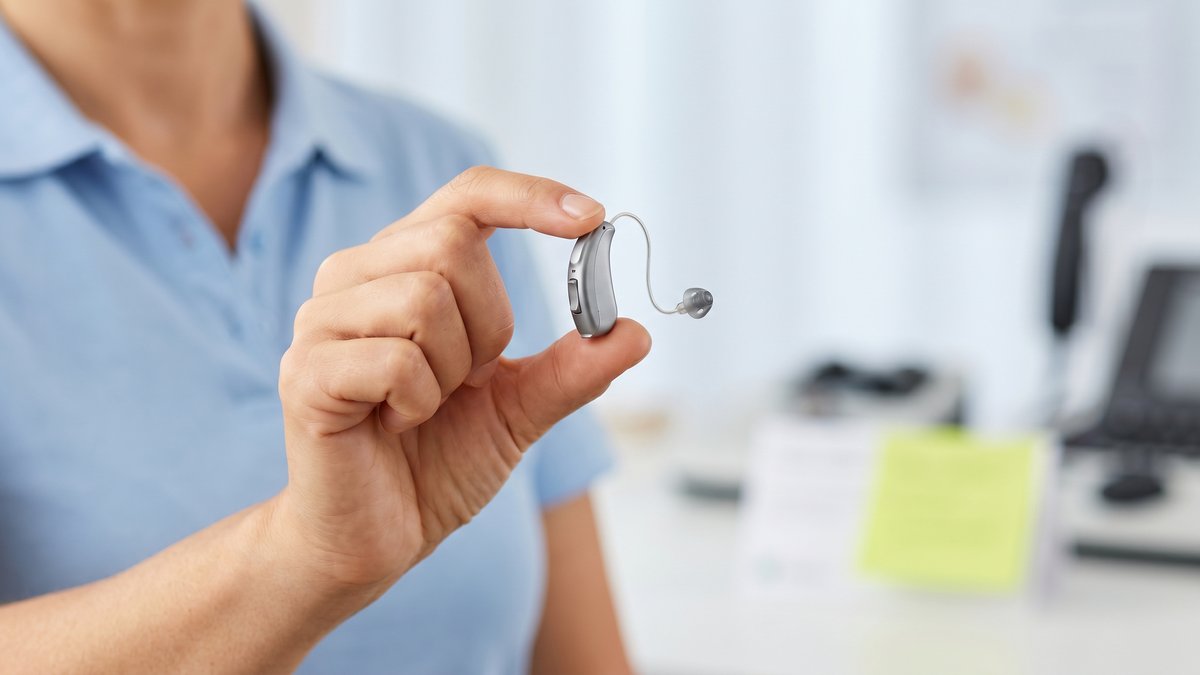
A closer look at Oticon hearing aids in Australia
In This Article
- Introduction: understanding Oticon's approach to hearing technology
- The BrainHearing philosophy: what makes Oticon different
- Oticon technology: deep neural network and Intent sensing
- Current Oticon product range
- Key features across Oticon hearing aids
- Who might benefit from Oticon hearing aids?
- Oticon compared to other hearing aid brands
- Pricing and funding considerations
- Oticon support and warranty
- Finding Oticon hearing aids on the Sunshine Coast
Introduction: understanding Oticon's approach to hearing technology
For over 120 years, Danish hearing technology company Oticon has been developing hearing solutions based on a philosophy they call "BrainHearing." Rather than simply amplifying sound, Oticon's approach focuses on supporting the brain's natural ability to make sense of sound.
If you're researching hearing aid options on the Sunshine Coast, you've likely come across Oticon as one of the established manufacturers available through local hearing clinics. This review explores what makes Oticon hearing aids distinctive, the current product range, and who might benefit from their technology.
Understanding the features and philosophy behind different hearing aid brands can help you have more informed conversations with your hearing care professional about which technology might suit your individual hearing profile and lifestyle needs.
The BrainHearing philosophy: what makes Oticon different
How traditional amplification works
Traditional hearing aid approaches typically focus on making sounds louder across specific frequencies where hearing loss has been identified. While this addresses the physical aspect of hearing, it doesn't always account for how the brain processes and makes sense of those amplified sounds.
Oticon's BrainHearing approach
Oticon developed their BrainHearing technology based on research into how the brain naturally processes sound. The philosophy centres on three key principles.
Rather than focusing narrowly on a single sound source — like traditional directional microphones that heavily suppress background noise — Oticon's approach is designed to provide access to sounds from all directions. The theory, according to Oticon, is that the brain works best when it has access to the complete sound environment, allowing it to naturally select what to focus on.
Oticon's research suggests that the brain needs access to multiple sounds simultaneously to create a natural listening experience. Their technology aims to preserve the spatial information and context that helps the brain orient itself in different sound environments. By giving the brain access to a fuller sound scene, Oticon suggests their approach may help reduce the mental effort required to follow conversations — particularly in complex listening situations.
Oticon technology: deep neural network and Intent sensing
The deep neural network (DNN)
Oticon's current premium product lines feature what the company calls a Deep Neural Network — an advanced processing system trained on millions of real-world sound scenes to help hearing aids respond more naturally to different acoustic environments.
According to Oticon, the DNN analyses incoming sound and makes processing decisions based on patterns learned during training. This is designed to help the hearing aids distinguish between speech and background noise more effectively, adapt when moving between quiet and noisy environments, maintain access to multiple sound sources while managing disruptive noise, and reduce wind noise during outdoor activities.
User-Intent sensing (Oticon Intent)
Oticon's current flagship line introduces a further development: four miniature motion sensors that are designed to detect head and body movement, aiming to infer what the wearer is intending to focus on. According to Oticon, this allows the hearing aids to adjust their sound processing in response to the listener's physical behaviour — for example, recognising that a head turn signals active engagement in a new conversation. This is described by the manufacturer as an evolution beyond traditional scene analysis toward intent-based processing.
Current Oticon product range
Oticon offers several product families, each with different technology levels and features.
Oticon Intent
Oticon's current premium line, the Intent features the four-sensor user-intent system alongside advanced Deep Neural Network processing. It is available in rechargeable miniRITE styles and is what Oticon markets as its flagship offering as of 2024. Multiple technology tiers are available within the Intent family, with higher tiers providing more sophisticated sound processing and customisation options.
Oticon Real
Before the Intent, Oticon Real represented a significant step in the company's BrainHearing approach, introducing enhanced DNN training focused on managing sudden, disruptive sounds — like dishes clattering or a car door slamming — while maintaining access to the full sound scene.
Oticon Real remains available and may be offered at different price points than the newer Intent line. Your hearing care professional can explain how the two lines compare for your specific needs.
Available styles:
- miniRITE (Receiver-in-the-Ear) with rechargeable battery
- miniRITE T (with telecoil and replaceable battery)
- miniBTE (Behind-the-Ear) with replaceable battery
Oticon Own
Oticon Own represents the company's custom hearing aid range — devices made to fit within your ear canal based on impressions taken by your hearing care professional.
Available styles include IIC (Invisible-in-Canal), CIC (Completely-in-Canal), ITC (In-the-Canal), and ITE (In-the-Ear). Custom hearing aids offer excellent discretion, though connectivity features may differ compared to behind-the-ear styles depending on the model and technology level.
Oticon Zircon
Zircon represents Oticon's more accessible product line, designed to provide fundamental hearing support at a more modest price point. While it doesn't include the Deep Neural Network or some advanced connectivity features, Zircon still incorporates Oticon's core BrainHearing principles and may suit individuals with straightforward hearing needs or those seeking a budget-conscious option.
Key features across Oticon hearing aids
Bluetooth connectivity
Most current Oticon hearing aids are designed to support direct Bluetooth streaming from iPhone, iPad, and compatible Android devices, as well as computers and tablets. This is intended to allow you to stream phone calls, music, podcasts, and video audio directly to your hearing aids. Check with your hearing care professional for current device compatibility, as this can vary by model and phone.
Rechargeable options
Oticon offers lithium-ion rechargeable hearing aids across their product lines. According to the manufacturer, a full charge is designed to provide a full day of use including streaming, with charging occurring overnight. Rechargeable hearing aids eliminate the need to purchase and change small batteries regularly, which many users find more convenient — particularly if dexterity is a concern.
Smartphone apps
The Oticon Companion app allows you to adjust volume and programme settings discreetly from your phone, customise sound preferences for specific environments, use a "Find My Hearing Aid" feature, and access support resources. The app interface is designed to be straightforward, though as with any technology, there may be a learning curve when you first start using it.
Tinnitus sound support
Many Oticon hearing aids include tinnitus sound therapy options — customisable sounds that may help manage tinnitus awareness. This is programmed by your hearing care professional based on your specific needs.
Telecoil
Some Oticon models include a telecoil, which connects to hearing loop systems in venues like theatres, places of worship, and some public buildings on the Sunshine Coast. If you frequently visit venues with hearing loops, a telecoil-equipped model might be worth considering.
Who might benefit from Oticon hearing aids?
Based on their technology approach and features, Oticon hearing aids may be well-suited for particular listening priorities and lifestyles — though no brand or technology is universally the right fit.
People who frequently find themselves in situations with multiple speakers or background noise — like restaurants, family gatherings, or workplace meetings — may find that Oticon's open sound-scene approach aligns with how they naturally want to listen. Those who are comfortable with smartphone apps and Bluetooth connectivity may appreciate the range of optional features. Users who prioritise a natural sound signature, particularly in complex listening environments, may also find Oticon's philosophy aligns with their preferences.
Natural sound quality that some users describe as particularly lifelike is also a feature some first-time wearers find helpful during the adjustment period, as the processing is designed to support how the brain naturally handles sound rather than dramatically narrowing the acoustic field.
The most reliable way to assess whether Oticon suits your specific hearing profile is through a trial period arranged with your hearing care professional.
Oticon compared to other hearing aid brands
The Australian market includes several leading hearing aid manufacturers, each with different technology philosophies. These comparisons are general observations about different approaches and should not be read as endorsements or rankings.
Phonak (Swiss manufacturer) typically emphasises maximum speech understanding in noise through focused directional microphones and noise reduction. Their philosophy differs from Oticon's open sound-scene approach, and Phonak offers an extensive accessory ecosystem including Roger technology for extreme noise situations.
Widex (also Danish) places particular emphasis on preserving natural sound for music and complex tones. Widex Moment's approach aims to eliminate processing delay, and machine learning features adapt to individual listener preferences over time.
ReSound (Danish, owned by GN Group) offers an All Access Directionality approach that shares some similarities with Oticon's open sound philosophy while incorporating more directional focus options. ReSound is noted for strong smartphone app features and portable rechargeable charging cases.
Signia (German, owned by WS Audiology) offers Own Voice Processing, which separates your own voice from other sounds for more natural self-perception, as well as acoustic motion sensors in their Xperience platform.
Important note: These comparisons are general observations about different technology philosophies. Individual models, technology levels, and how your hearing care professional programmes the hearing aids will significantly impact your experience. No single brand is universally better — the best choice depends on your specific hearing profile, listening priorities, lifestyle needs, and personal preferences.
Pricing and funding considerations
Understanding hearing aid pricing
Hearing aid pricing varies based on technology level, product line, whether devices are rechargeable, the level of follow-up care included, and clinic location. For current pricing information on Oticon hearing aids on the Sunshine Coast, contact local hearing clinics directly. Prices vary between providers, and some may offer package arrangements that include warranty coverage, accessories, and follow-up adjustments.
Government funding programs
Several Australian government programs may provide funding support for eligible individuals.
Hearing Services Program (HSP): The Hearing Services Program provides services to pensioners (Age Pension, Disability Support Pension, and others), veterans with qualifying service, young Australians under 26, and members of the Australian Defence Force. If you are eligible for HSP, you can access fully or partially subsidised hearing services through registered providers. Oticon hearing aids are available through the HSP, with several Oticon models included on the device schedule. Your HSP provider can explain which models are available under the programme and whether there are any top-up costs if you choose a model above the standard subsidy level.
NDIS: If you are an NDIS participant with hearing loss identified in your plan, funding for hearing aids may be available. This requires working with your NDIS planner and an NDIS-registered hearing provider.
DVA: Eligible veterans may receive hearing services through the Department of Veterans' Affairs, including access to various hearing aid brands. Your DVA provider can advise on available Oticon options.
Private Health Insurance: Many private health funds provide rebates for hearing aids under extras cover. The rebate amount varies significantly between funds and coverage levels. Contact your health fund to understand your specific entitlements and whether waiting periods apply.
Oticon support and warranty
Understanding device and service warranties
Oticon hearing aids typically come with a manufacturer warranty covering defects in materials and workmanship. It is important to understand that the device warranty covers manufacturing faults — not loss or theft, damage from misuse or moisture exposure beyond normal use, cosmetic wear from regular use, or battery degradation in rechargeable models.
Your hearing clinic should clearly explain the difference between the Device warranty (manufacturer coverage for device faults) and the Service warranty (your clinic's commitment to follow-up care, adjustments, and ongoing support). Many clinics include a period of follow-up appointments as part of your initial investment. Understanding what is included helps you compare value between providers.
Your hearing care professional should be your first point of contact for any concerns, as they can troubleshoot issues, make programming adjustments, and coordinate warranty claims if needed.
Finding Oticon hearing aids on the Sunshine Coast
Several hearing clinics across the Sunshine Coast offer Oticon hearing aids, from Caloundra in the south to Noosa in the north. When choosing where to access Oticon devices, a few considerations are worth keeping in mind.
Look for clinics staffed by qualified hearing care professionals with proper credentials — you can verify AHPRA registration or Audiology Australia membership. Experienced professionals, whether hearing care professionals or hearing aid audiometrists, will have the training needed to programme and fine-tune Oticon's BrainHearing technology to your specific hearing profile.
Trial periods are invaluable. Many clinics offer them, allowing you to experience Oticon hearing aids in your real-world Sunshine Coast environments — at the beach, at markets, at café catch-ups — before making a final decision. Ask potential providers about their follow-up appointment structure and whether adjustments are included in your investment. Clinics that offer multiple brands can provide more balanced guidance about whether Oticon's approach is genuinely the right fit for your needs.
If you are eligible for the Hearing Services Programme, ensure your chosen clinic is HSP-registered and can provide Oticon devices under the programme.
When you come in, bring a list of the listening situations you find most challenging — this helps your hearing care professional match Oticon's technology approach to your daily life.
Take the next step
If anything in this guide reflects your own situation, a comprehensive hearing assessment is the most reliable next step. At Hearingcare on the Sunshine Coast, Linda Whittaker — a Qualified Audiometrist with over 20 years of experience and ACAud accreditation — provides unhurried, individualised hearing care in a supportive environment.
We see clients from Caloundra, Maroochydore, Mooloolaba, Buderim, Noosa and across the wider Sunshine Coast region. Eligible clients may access fully subsidised hearing services (eligibility criteria apply) through the Australian Government's Hearing Services Program.
Individual results vary. Professional hearing assessment is required to determine the most appropriate management approach for your specific situation.

Frequently Asked Questions
Yes, Oticon hearing aids are available through the HSP for eligible individuals. Several Oticon models are included on the device schedule. If you are eligible (pensioners, veterans, under-26s, or other qualifying groups), you can access Oticon devices through HSP-registered providers. Your provider can explain which models are fully covered under your subsidy and whether any models require a top-up payment. Eligibility conditions and entitlements vary, so consult with an HSP provider about your specific situation.
According to Oticon, their rechargeable hearing aids are designed to provide a full day of use — approximately 16 to 18 hours — on a single charge, including several hours of Bluetooth streaming. Actual battery life depends on how much you stream audio, which programmes you use, and environmental factors. Battery capacity may gradually decrease over several years of regular use, similar to other rechargeable devices. Your hearing care professional can discuss expected battery performance for specific Oticon models.
Current Oticon premium lines are designed to support direct Bluetooth streaming from compatible Android devices using the Audio Streaming for Hearing Aids (ASHA) protocol. However, not all Android phones support ASHA — you will need an Android device running Android 10 or later with ASHA support. Older Oticon models may require a streaming accessory for Android connectivity. Check with your hearing care professional about compatibility with your specific phone model before purchase.
Both Intent and Real feature the BrainHearing philosophy and Deep Neural Network processing. The key difference, according to Oticon, is that the Intent adds four miniature motion sensors designed to detect user intent — inferring from head and body movement what the listener is trying to focus on, and adjusting sound processing accordingly. Real remains an excellent option and may be offered at a different price point. Your hearing care professional can explain how the features compare for your specific needs, and a trial period is the most practical way to assess which suits you.
No. Oticon hearing aids function fully without a smartphone app. Your hearing care professional programmes the essential settings and automatic programmes into the devices during fitting. The Oticon Companion app provides optional features — discreet volume adjustment, programme switching, sound customisation, and "Find My Hearing Aid" — but it is not required for basic operation. If you prefer not to use apps, you can use Oticon hearing aids with manual controls or remote control accessories.
This article is for educational purposes only. Individual results may vary. Professional hearing assessment is recommended for personalised advice.
Book Your Hearing Assessment