


Why Can You Hear Your Heartbeat in Your Ear
Introduction
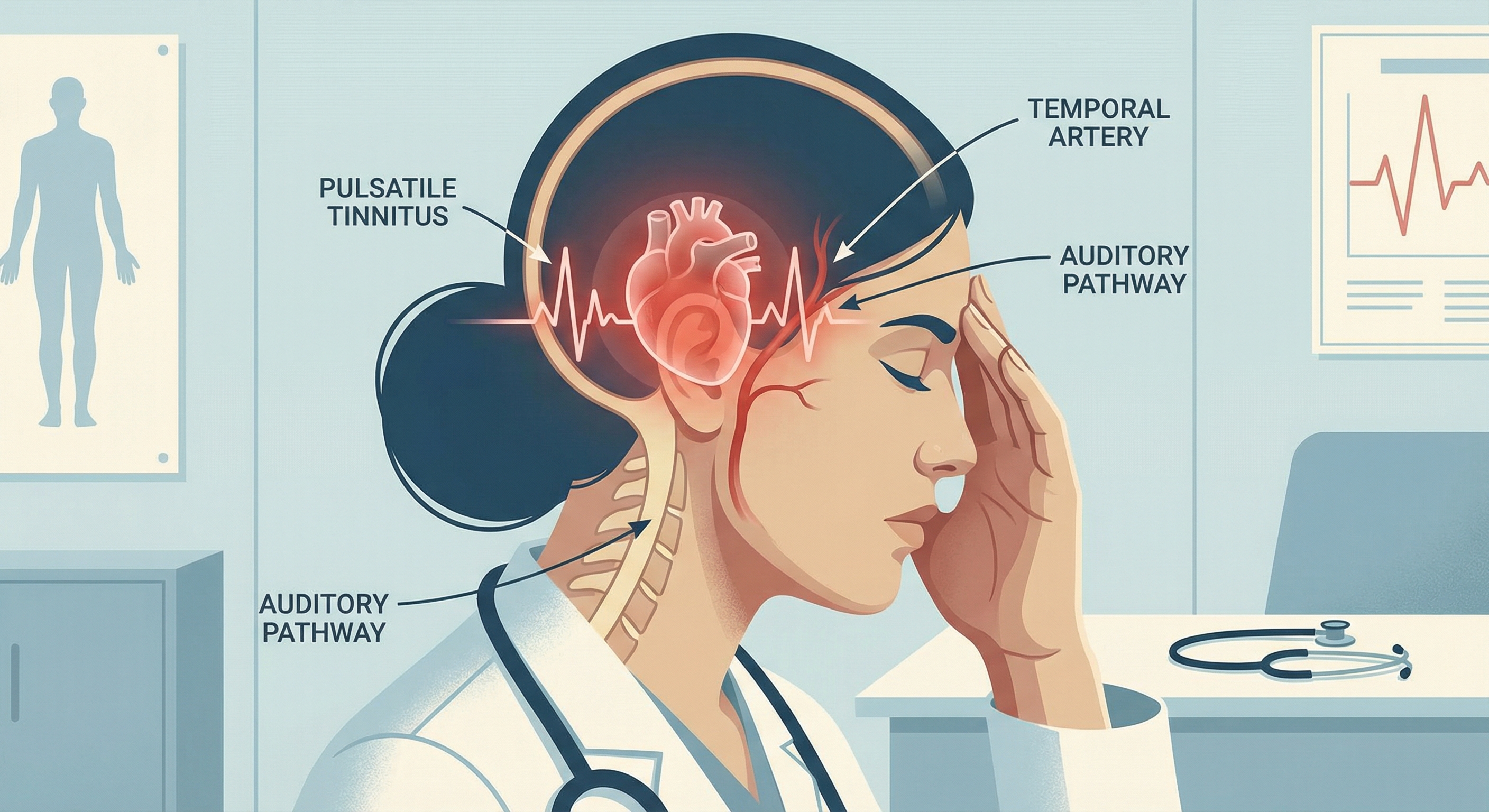
If you can hear your heartbeat in your ear, you're not imagining things. This rhythmic whooshing, thumping, or pulsing sound in sync with your heartbeat is called pulsatile tinnitus, and it affects thousands of Australians each year.
Unlike the constant ringing or buzzing of regular tinnitus, pulsatile tinnitus follows the rhythm of your pulse. While it may seem alarming, understanding what causes this condition and when to seek help can provide reassurance and guide you toward appropriate care.
In This Article
What Is Pulsatile Tinnitus?
Pulsatile tinnitus is a specific type of tinnitus where you hear rhythmic sounds that match your heartbeat. The sound is typically described as:
- A whooshing or swishing noise
- A thumping or pounding sensation
- A rhythmic pulsing sound
- A heartbeat echo in one or both ears
This condition occurs when blood flow changes near the ear, or when you become more aware of blood flow in vessels close to the ear structures, particularly the carotid artery and jugular vein. Tinnitus may be constant or intermittent, and the sounds often become more noticeable in quiet environments or when lying down. The patient's tinnitus often synchronises precisely with their pulse.
How Common Is It?
While regular tinnitus affects about 18% of Australians, pulsatile tinnitus is considerably less common, accounting for roughly 3-10% of all tinnitus cases. This rare form of tinnitus can occur at any age but is more frequently reported by adults. Tinnitus patients with the pulsatile type require thorough evaluation to identify any underlying vascular causes.
The rhythmic nature of pulsatile tinnitus sets it apart from other forms of tinnitus and may indicate an underlying cause involving blood vessels, arteries, or veins that warrants medical evaluation.
How Pulsatile Tinnitus Differs from Regular Tinnitus
Understanding the distinction between pulsatile tinnitus and regular tinnitus is important because they often have different causes and may require different approaches.
Regular Tinnitus
- Constant ringing, buzzing, hissing, or whistling
- No rhythmic pattern
- Often related to hearing loss or noise exposure
- Typically originates in the inner ear or auditory nerve
- May affect one or both ears
Pulsatile Tinnitus
- Rhythmic whooshing or thumping sound
- Matches your pulse or heartbeat
- Often related to blood flow changes
- May originate from blood vessels near the ear
- More commonly affects just one ear
- Can sometimes be heard by a doctor using a stethoscope (objective tinnitus)
The key difference is that pulsatile tinnitus is often linked to vascular causes involving arteries, veins, or the venous sinus, whereas regular tinnitus is more commonly associated with hearing-related issues in the inner ear. This distinction is why medical evaluation is particularly important when assessing the causes of pulsatile symptoms.
Common Causes of Pulsatile Tinnitus
Pulsatile tinnitus can result from various conditions affecting blood vessels, blood flow, or the structures near your ear. Understanding what may cause pulsatile tinnitus helps guide diagnosis and treatment. Here are some of the more frequently identified causes of pulsatile tinnitus:
1. Increased Blood Flow
Conditions that increase blood flow throughout your body may make you more aware of the sound of blood moving through arteries and veins near your ears:
- High blood pressure (hypertension)
- Pregnancy
- Anaemia
- Hyperthyroidism (overactive thyroid)
- Strenuous exercise
2. Blood Vessel Abnormalities
Changes or irregularities in blood vessels near the ear can create turbulent blood flow. The carotid artery and jugular vein, which run close to the inner ear and temporal bone, are particularly relevant:
- Atherosclerosis (narrowed or hardened carotid arteries or other vessels)
- Arteriovenous malformation (abnormal connection between arteries and veins)
- Venous sinus stenosis (narrowing of the venous sinus in the brain)
- High jugular bulb (enlarged jugular vein near the middle ear)
- Carotid artery stenosis (narrowing of the main neck artery)
3. Middle Ear and Bone Conditions
Structural changes in the ear or surrounding temporal bone can make blood flow sounds more audible:
- Otosclerosis (abnormal bone growth in the middle ear)
- Dehiscent superior canal (thinning of bone in the inner ear)
- Eustachian tube dysfunction
- Middle ear fluid or infection
4. Benign Intracranial Hypertension
Also called idiopathic intracranial hypertension, this condition involves increased pressure around the brain and is more common in women of childbearing age. This form of tinnitus may be accompanied by headaches and vision changes.
5. Head and Neck Tumours (Rare)
In rare cases, benign tumours such as glomus tumours can cause pulsatile tinnitus by affecting blood vessels near the ear. While a tumour is an uncommon cause, head and neck radiology imaging can identify these growths if present.
It's important to note that identifying what may cause pulsatile tinnitus requires proper medical assessment. A systematic review of your symptoms, medical history, and appropriate imaging can help determine the most common cause. Many of these conditions are manageable when diagnosed appropriately through comprehensive diagnosis and treatment.
When to Seek Medical Attention
While not all cases of pulsatile tinnitus indicate a serious condition, certain signs warrant prompt medical evaluation. You should consult a healthcare professional if you experience:
Red Flags That Require Urgent Assessment:
- Sudden onset of pulsatile tinnitus
- Pulsatile tinnitus in only one ear (unilateral)
- Associated symptoms such as:
- Hearing loss
- Dizziness or vertigo
- Severe headaches
- Vision changes
- Facial weakness or numbness
- Difficulty with balance or coordination
- Changes in the sound with body position or activity
- Very loud or disruptive pulsatile tinnitus affecting daily life
Who to See First:
Start with your general practitioner (GP), who can:
- Take a detailed medical history
- Perform a physical examination
- Check your blood pressure
- Listen for sounds using a stethoscope (objective examination)
- Refer you to specialists if needed
Your GP may refer you to:
- ENT specialist (otolaryngologist) for ear and hearing evaluation
- Hearing Care Professional for comprehensive hearing assessment
- Vascular specialist if blood vessel issues are suspected
- Neurologist if neurological symptoms are present
Early assessment helps identify any underlying conditions and provides peace of mind if no serious cause is found.
The Diagnosis Process
Diagnosing the cause of pulsatile tinnitus typically involves several steps:
1. Medical History and Physical Examination
Your doctor will ask about:
- When the pulsatile tinnitus started
- Whether it's constant or intermittent
- Which ear is affected (tinnitus patients often experience unilateral symptoms)
- Other symptoms you've noticed
- Your medical history and current medications
A physical examination may include:
- Checking your blood pressure
- Listening to your neck and head with a stethoscope to assess blood flow through the carotid artery and jugular vein
- Examining your ears with an otoscope
- Neurological assessment
2. Hearing Tests
A hearing care professional may conduct:
- Pure tone audiometry (hearing test)
- Tympanometry (middle ear function test)
- Speech discrimination tests
These tests help determine if hearing loss accompanies your pulsatile tinnitus and assess the function of the middle ear and inner ear.
3. Imaging Studies
Depending on your symptoms, your doctor may recommend:
- MRI (Magnetic Resonance Imaging) to visualise blood vessels, brain structures, soft tissues, and the temporal bone area
- MRA (Magnetic Resonance Angiography) to examine blood vessels specifically, including the carotid artery and jugular vein
- CT Scan (Computed Tomography) to assess bone structures, the temporal bone, and detect abnormalities
- Ultrasound to evaluate blood flow in neck vessels including the carotid arteries
- Angiography in specific cases to examine blood vessel details
Radiology imaging helps identify structural or vascular causes and guide appropriate management. Magnetic resonance imaging is particularly useful for evaluating patients with pulsatile tinnitus as it can detect both vascular and structural abnormalities.
Treatment Options for Pulsatile Tinnitus
Treatment for pulsatile tinnitus depends on the underlying cause. While some cases resolve on their own, others may benefit from targeted interventions.
Medical Management
Treating Underlying Conditions
Pulsatile tinnitus often has an identifiable underlying cause, such as a blood-pressure, blood-count, thyroid or middle-ear problem. Where that is the case, treating the underlying condition is the priority, and that treatment is directed by your GP or an appropriate specialist — not by a hearing clinic. Our role is to assess your hearing and to make sure a medical cause has been considered rather than assumed away.
Sound Therapy
Similar to regular tinnitus management, sound therapy may help:
- White noise machines
- Nature sounds or soft music
- Hearing aids (if hearing loss is present)
These approaches can make the pulsatile sound less noticeable by providing background sound.
Surgical or Interventional Procedures
In some cases, medical procedures may be considered:
Vascular Procedures
- Stenting to widen narrowed blood vessels in arteries such as the carotid
- Embolisation to treat arteriovenous malformations
- Surgical repair of vascular abnormalities involving veins or the venous sinus
Ear Surgery
- Procedures to repair superior canal dehiscence in the temporal bone
- Surgery for glomus tumours or other head and neck tumours (rare)
- Middle ear procedures to address structural issues
These interventions are typically reserved for cases where a specific structural cause has been identified and conservative approaches haven't provided relief.
Lifestyle Modifications
While these won't cure pulsatile tinnitus, they may help reduce symptoms:
- Managing stress through relaxation techniques
- Reducing caffeine and alcohol intake
- Maintaining healthy blood pressure
- Regular exercise (within your doctor's guidance)
- Good sleep hygiene
Important: Individual experiences vary, and what works for one person may not work for another. Professional guidance is essential to determine the most appropriate approach for your situation.
Living with Pulsatile Tinnitus
Many people find that pulsatile tinnitus becomes less bothersome over time, especially once they understand what's causing it and know that it's being monitored appropriately.
Coping Strategies
- Stay informed but avoid excessive online research that may increase anxiety
- Keep a symptom diary to track patterns or triggers
- Practice relaxation techniques such as deep breathing or meditation
- Maintain regular follow-ups with your healthcare team
- Join support groups to connect with others experiencing similar symptoms
When to Follow Up
Even if your pulsatile tinnitus has been evaluated and no serious cause was found, schedule follow-up appointments if:
- The sound changes in character or intensity
- New symptoms develop
- The tinnitus becomes significantly more disruptive
- You have concerns about your ongoing management
Regular monitoring ensures that any changes are identified and addressed promptly.
Key Takeaways
- Pulsatile tinnitus is a rhythmic sound in your ear that matches your heartbeat, distinct from regular tinnitus
- It often relates to blood flow changes near the ear or vascular conditions
- Medical evaluation is important, especially for sudden onset or unilateral symptoms
- Diagnosis typically involves physical examination, hearing tests, and imaging studies such as MRI or CT scans
- Treatment depends on the underlying cause and may include medical management, lifestyle changes, or in some cases, surgical intervention
- Many cases are manageable with appropriate professional guidance
- Always consult a qualified healthcare professional for personalised assessment and advice
Getting Professional Support
If you're experiencing pulsatile tinnitus, taking the step to seek professional evaluation is important for your peace of mind and overall health. A comprehensive assessment can identify any underlying causes and guide appropriate management.
What to expect during your assessment:
- Detailed discussion of your symptoms and medical history
- Physical examination including blood pressure check
- Hearing evaluation
- Possible referral for imaging studies
- Personalised guidance based on your individual situation
Early evaluation helps ensure that any underlying conditions are identified and managed appropriately. Your healthcare team can work with you to develop a management plan tailored to your needs.
Final Thoughts
Pulsatile tinnitus—that rhythmic whooshing or heartbeat sound in your ear—can be unsettling when you first notice it. Understanding that it's a recognised condition with identifiable causes can provide reassurance as you seek appropriate care.
While the experience varies from person to person, most cases are manageable with proper evaluation and treatment. The key is not to delay seeking professional assessment, especially if the symptoms are new, sudden, or accompanied by other concerns.
Remember, you're not alone in experiencing this, and healthcare professionals are well-equipped to guide you through diagnosis and management options that may help improve your quality of life.

Frequently Asked Questions
Some cases of pulsatile tinnitus may resolve without treatment, especially if they're related to temporary conditions like increased blood flow during pregnancy or a middle ear infection. Treatment of pulsatile tinnitus depends on identifying the underlying cause—for example, if high blood pressure or an issue with the carotid artery is identified and treated, the pulsatile tinnitus may improve. However, because pulsatile tinnitus can indicate various underlying causes, professional assessment is important to determine whether treatment or monitoring is needed. Individual experiences vary considerably.
Occasionally hearing your heartbeat in your ear, especially after exercise or when lying down, is relatively common and usually not a concern. Pulsatile tinnitus is characterised by persistent or frequently recurring rhythmic sounds that may be noticeable even at rest. Unilateral pulsatile tinnitus (affecting just one ear) is particularly important to evaluate, as common causes include high jugular bulb, venous sinus stenosis, or vascular abnormalities in the carotid artery. If you're hearing your heartbeat regularly, in quiet settings, or if it's only in one ear, it's worth discussing with a healthcare professional.
The specific tests depend on your symptoms and medical history. Commonly, your doctor may recommend a physical examination to assess blood flow through the carotid artery and jugular vein, blood pressure check, hearing tests for the inner ear and middle ear, and imaging studies such as magnetic resonance imaging (MRI), MRA, or CT scans of the temporal bone. These imaging modalities help identify potential vascular causes involving arteries and veins, or structural abnormalities such as tumours or arteriovenous malformation. Your GP or specialist will determine which tests are most appropriate for your situation based on the diagnosis and treatment pathway.
While stress doesn't directly cause pulsatile tinnitus, it can increase your awareness of the whooshing sound and make it more bothersome. Stress may also contribute to elevated blood pressure, which can be associated with pulsatile tinnitus. To stop or reduce pulsatile tinnitus, it's essential to identify the underlying cause—whether it's related to blood vessels, the carotid artery, venous sinus, or another vascular condition. Managing stress through relaxation techniques may help reduce the perceived intensity of symptoms, but tinnitus treatment depends on diagnosis and addressing the underlying cause through professional evaluation. For many patients with pulsatile tinnitus, addressing conditions like high blood pressure or arteriovenous malformation can significantly improve symptoms. ---
This article is for educational purposes only. Individual results may vary. Professional hearing assessment is recommended for personalised advice.
Book Your Hearing Assessment