


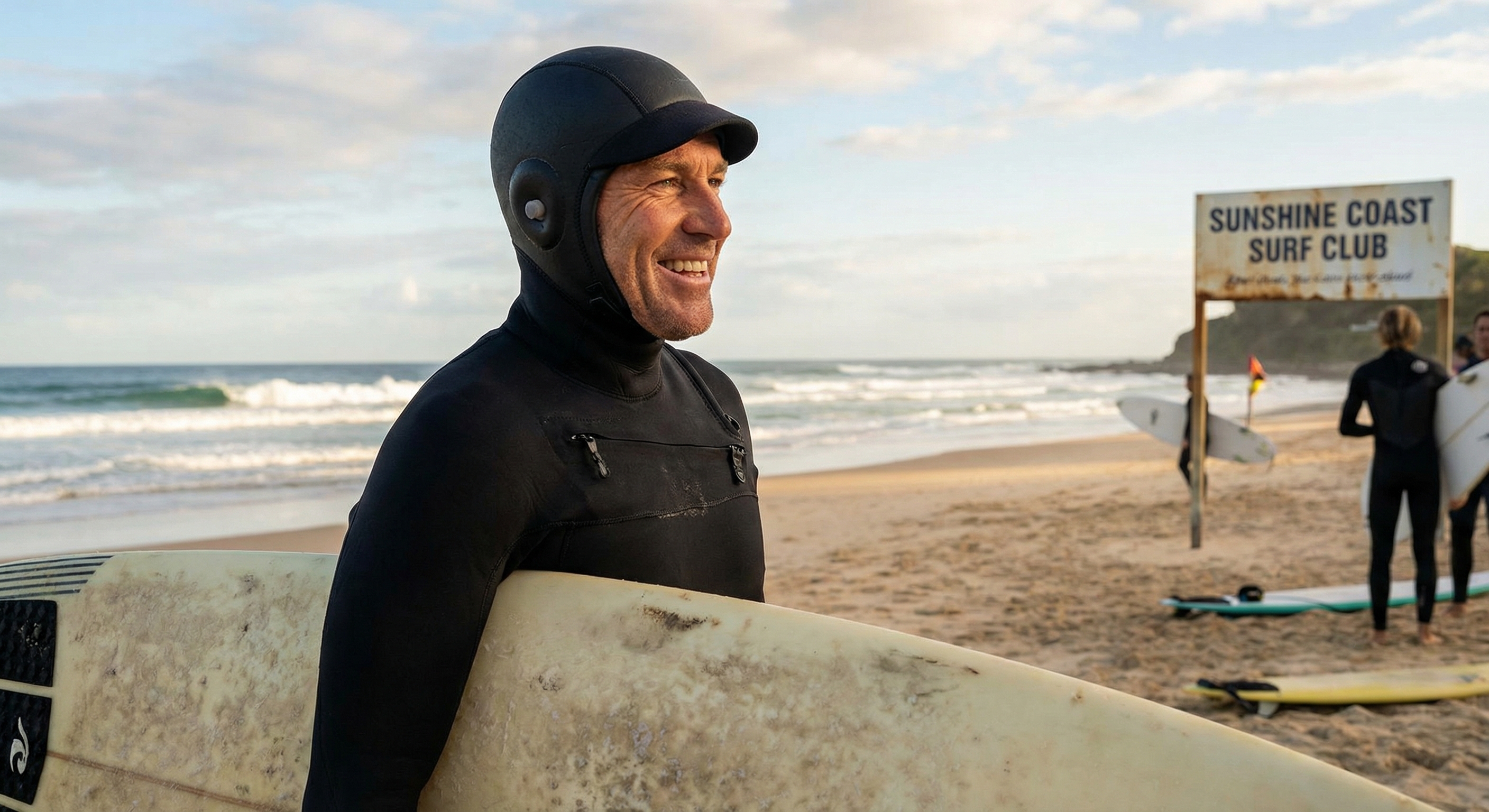
What Is Surfer's Ear and How Do You Prevent It
Introduction
If you've spent years riding the waves at Noosa, Mooloolaba or Coolum Beach, you might notice something unusual happening in your ears. What starts as occasional water retention can develop into a condition that affects thousands of Australian surfers, swimmers and water sports enthusiasts every year.
Surfer's ear—medically known as exostosis—is a gradual bone growth in the ear canal triggered by repeated exposure to cold water and wind. It's not just a surfer's problem. Kayakers, swimmers, divers and anyone who regularly spends time in cold water can develop this condition.
The good news? Surfer's ear is preventable, and early detection makes a significant difference to your long-term ear health.
This article explains what surfer's ear is, how it develops, the warning signs to watch for, and practical prevention strategies you can start using today. We'll also cover treatment options for those who've already developed exostosis.
In This Article
What Is Surfer's Ear (Exostosis)?
Surfer's ear is the common name for external auditory exostosis—a condition where bone grows abnormally within the ear canal. These bony growths develop slowly over years of cold water exposure, gradually narrowing the ear canal opening.
How Is It Different from Swimmer's Ear?
People often confuse surfer's ear with swimmer's ear, but they're quite different conditions:
| Condition | What It Is | Timeline | Symptoms |
|-----------|------------|----------|----------|
| Surfer's Ear (Exostosis) | Permanent bone growth in ear canal | Develops over years | Gradual hearing changes, water retention, increased infections |
| Swimmer's Ear (Otitis Externa) | Bacterial or fungal infection of outer ear canal | Develops in days | Pain, itching, redness, discharge |
Swimmer's ear is an infection that responds to treatment. Surfer's ear is a structural change to the bone itself, which can only be reversed through surgery.
Who Gets Surfer's Ear?
Research shows that surfer's ear affects people who regularly expose their ears to cold water and wind. Australian studies indicate that:
- Surfers who've been in the water for 10+ years have a significantly higher prevalence
- Cold water temperature (below 19°C) accelerates bone growth
- Wind exposure during water activities increases risk
- Men are more commonly affected than women (possibly due to higher participation rates in water sports)
On the Sunshine Coast, where year-round surfing is part of the lifestyle, exostosis is relatively common among long-term surfers and water sports enthusiasts.
How Surfer's Ear Develops
The Biological Response
When cold water repeatedly enters your ear canal, it triggers a protective response in your body. The periosteum—the tissue layer covering your bones—responds to the cold stimulus by laying down new bone growth.
This happens gradually:
1. Initial exposure: Cold water enters the ear canal repeatedly over months and years
2. Periosteal irritation: The bone lining reacts to the cold temperature stimulus
3. Bone formation: New bone slowly grows, typically starting near the eardrum
4. Progressive narrowing: Multiple growths may develop, gradually reducing the ear canal opening
5. Functional impact: As the canal narrows, water drainage becomes difficult and hearing may be affected
Timeline of Development
Surfer's ear doesn't appear overnight. The typical timeline looks like this:
- 0-5 years of exposure: Usually no noticeable changes
- 5-10 years: Small bone growths may begin (often asymptomatic)
- 10-15 years: Moderate exostosis may develop, mild symptoms appear
- 15+ years: Severe narrowing possible in some individuals, significant symptoms likely
However, this timeline varies significantly between individuals. Water temperature, frequency of exposure, ear anatomy, and genetic factors all play a role.
Symptoms to Watch
Surfer's ear develops so gradually that many people don't notice symptoms until the condition is moderately advanced. Here's what to watch for:
Early Signs
- Water becomes trapped in your ear more easily after swimming or surfing
- You feel the need to tilt your head or shake it to drain water
- Water retention lasts longer than it used to
- Slight fullness sensation in the ear
Moderate Symptoms
- Noticeable hearing reduction, especially after water activities
- Frequent ear infections (water can't drain properly, creating bacterial growth conditions)
- Difficulty cleaning the ear canal
- Sensation of pressure or blockage
- Sound becomes muffled even when the ear is dry
Advanced Symptoms
- Significant hearing loss
- Persistent water retention after any water exposure
- Recurrent infections that require medical treatment
- Complete or near-complete blockage of the ear canal
- Difficulty using hearing protection (ear plugs won't fit properly)
When to See a Professional:
If you notice water retention lasting more than a few hours, recurring ear infections, or any change in hearing, it's worth seeing a hearing care professional or ENT specialist. Early detection allows you to implement prevention strategies before surgery becomes necessary.
Prevention: Protecting Your Ears
The single most effective way to prevent surfer's ear is to keep cold water and wind out of your ear canals.
1. Wear Ear Plugs
Purpose-designed surf ear plugs are the gold standard for prevention:
What to Look For:
- Waterproof seal that prevents water entry
- Comfortable for extended wear (hours in the water)
- Allows sound through so you can hear waves and communicate
- Stays secure during duck dives and wipeouts
- Made from hypoallergenic materials
Popular options include moulded silicone plugs (custom-fitted by hearing care professionals) and commercial surf plugs designed specifically for water sports.
Sunshine Coast Tip: At Hearingcare, we can create custom-moulded ear plugs that fit your ear anatomy perfectly — often a comfortable and effective option for regular surfers.
2. Use a Wetsuit Hood or Headband
In cooler months or when water temperature drops below 19°C, consider:
- Neoprene wetsuit hood: Covers ears completely, provides warmth
- Neoprene headband: Covers ear openings while leaving top of head exposed
- Swim cap: Better than nothing, though less effective than neoprene options
The Sunshine Coast ocean temperature ranges from about 21°C in winter to 26°C in summer. While not as cold as southern Australian waters, consistent exposure still poses risk—especially during winter months.
3. Dry Your Ears Thoroughly
After every surf or swim session:
- Tilt your head to each side to allow water drainage
- Gently dry the outer ear with a towel (never insert anything into the canal)
- Allow ears to air dry completely
- Avoid using cotton buds, which can push water deeper or damage the canal
4. Take Breaks from Water
If you surf or swim multiple times daily, consider:
- Allowing at least a few hours between sessions for ears to dry completely
- Taking occasional rest days, especially during cooler months
- Limiting session length in very cold water
5. Regular Monitoring
Have your ears checked by a hearing care professional annually if you're a regular water sports participant. Early-stage exostosis can be monitored, and you can adjust prevention strategies accordingly.
Treatment Options
If exostosis has already developed, treatment depends on severity.
When Treatment Isn't Necessary
Mild exostosis (small bone growths that don't cause symptoms) typically doesn't require treatment. Your hearing care professional or ENT specialist will recommend:
- Continue prevention strategies to avoid progression
- Regular monitoring (annual check-ups)
- Address any infections promptly
- Professional ear cleaning as needed
When Surgery May Be Recommended
Surgery might be discussed if:
- The ear canal is significantly narrowed (often 80%+ occlusion)
- You experience recurrent ear infections
- Hearing is noticeably affected
- Water retention is persistent and problematic
- The canal is so narrow that it can't be cleaned effectively
Important: Surgery is never urgent for surfer's ear. This is an elective procedure, and you have time to make an informed decision in consultation with your ENT specialist.
Surgical Procedure
The surgery to remove exostosis is called canalplasty or exostosis removal. Here's what it typically involves:
Procedure:
- Performed by an ENT surgeon under general anaesthetic
- Bone growths are carefully removed using microsurgical techniques
- May be done through the ear canal (transcanal approach) or with an incision behind the ear (postauricular approach)
- Usually takes 1-3 hours depending on severity
- Day surgery or overnight hospital stay
What the Surgery Doesn't Do:
- It doesn't prevent future bone growth (protection is still essential post-surgery)
- It doesn't restore hearing if damage has occurred to other ear structures
- It's not a cure if you continue unprotected cold water exposure
Recovery and Aftercare
Post-surgical recovery typically involves:
Immediate Recovery (1-2 weeks):
- Ear packing is removed after a few days to a week
- Avoid getting water in the ear during initial healing
- Mild discomfort, managed with pain relief
- Follow-up appointments to monitor healing
Full Recovery (4-6 weeks):
- Gradual return to normal activities
- Avoid water sports until cleared by your surgeon (usually 4-6 weeks)
- Hearing may fluctuate during healing
- Some temporary dizziness is normal
Long-Term:
- Bone can regrow if you return to unprotected water exposure
- Ear plugs and protection become essential for life
- Annual monitoring recommended
- Many people return to surfing and water sports successfully
Individual Results Vary: Recovery experiences differ between individuals. Always follow your surgeon's specific post-operative instructions.
Living with Surfer's Ear: Sunshine Coast Perspective
The Sunshine Coast lifestyle revolves around the ocean. For many locals, surfing isn't just a hobby—it's a daily ritual and cultural identity. The idea of limiting time in the water can feel impossible.
The good news: with proper prevention, you can continue enjoying Noosa's point breaks, Mooloolaba's beaches, and Coolum's waves without sacrificing your long-term ear health.
Local Resources:
- Sunshine Coast hearing care professionals can provide custom ear plug fittings
- ENT specialists are available locally for assessment and surgical consultation if needed
- Surf shops often stock commercial ear plug options
- Local surf communities share prevention experiences and recommendations
Prevention Is Realistic:
Modern surf ear plugs are designed to be comfortable and effective, and most don't significantly impact your wave awareness or communication in the water. Many long-term surfers report that wearing plugs becomes second nature within a few sessions.
Key Takeaways
- Surfer's ear (exostosis) is a permanent bone growth in the ear canal triggered by repeated cold water and wind exposure
- It develops gradually over years, often 10-15+ years of regular water sports
- Early symptoms include water retention and increased ear infections; later stages involve hearing loss
- Prevention is highly effective: wear ear plugs, use wetsuit hoods in cold water, dry ears thoroughly
- Mild cases don't require treatment, but should be monitored annually by a hearing care professional
- Surgery may be recommended when the ear canal is significantly narrowed or causing recurrent problems
- The Sunshine Coast lifestyle is compatible with prevention—modern ear plugs allow you to continue surfing while protecting long-term ear health
- Professional assessment is important if you notice any changes in hearing or persistent water retention
Protect Your Hearing While Enjoying the Ocean
If you're a regular surfer, swimmer or water sports enthusiast on the Sunshine Coast, consider having your ears checked by a qualified hearing care professional. Early detection of exostosis allows you to implement prevention strategies before symptoms develop.
A hearing care professional can:
- Examine your ear canals for early signs of bone growth
- Provide custom-moulded ear plugs for comfortable, effective protection
- Advise on prevention strategies tailored to your water activities
- Monitor your ear health over time
- Refer to an ENT specialist if treatment is needed
Ready to protect your hearing? Book a comprehensive hearing assessment at your convenience. Our experienced hearing care professionals understand the unique needs of Sunshine Coast water sports enthusiasts and can help you maintain healthy ears for years of surfing ahead.

Frequently Asked Questions
Wax build-up can cause similar symptoms (fullness, hearing reduction, water retention), which is why professional assessment is important. A hearing care professional or doctor can examine your ear canal with an otoscope and identify whether bone growths are present or if wax is the issue. Wax is easily removed; bone growth is not.
Modern surf ear plugs are designed to allow sound through while blocking water. Most surfers report they can still hear waves, communicate with others, and maintain awareness in the water. There's typically a short adjustment period (a few sessions), but most people adapt quickly. The alternative—progressive hearing loss or surgery—has far greater impact on surfing than wearing plugs.
Surgery for surfer's ear may be partially covered by private health insurance if you have hospital and extras cover, depending on your policy level and waiting periods. However, coverage varies significantly between funds and policies. It's best to contact your insurer directly and speak with the surgeon's office about expected out-of-pocket costs before proceeding. ---
This article is for educational purposes only. Individual results may vary. Professional hearing assessment is recommended for personalised advice.
Book Your Hearing Assessment