


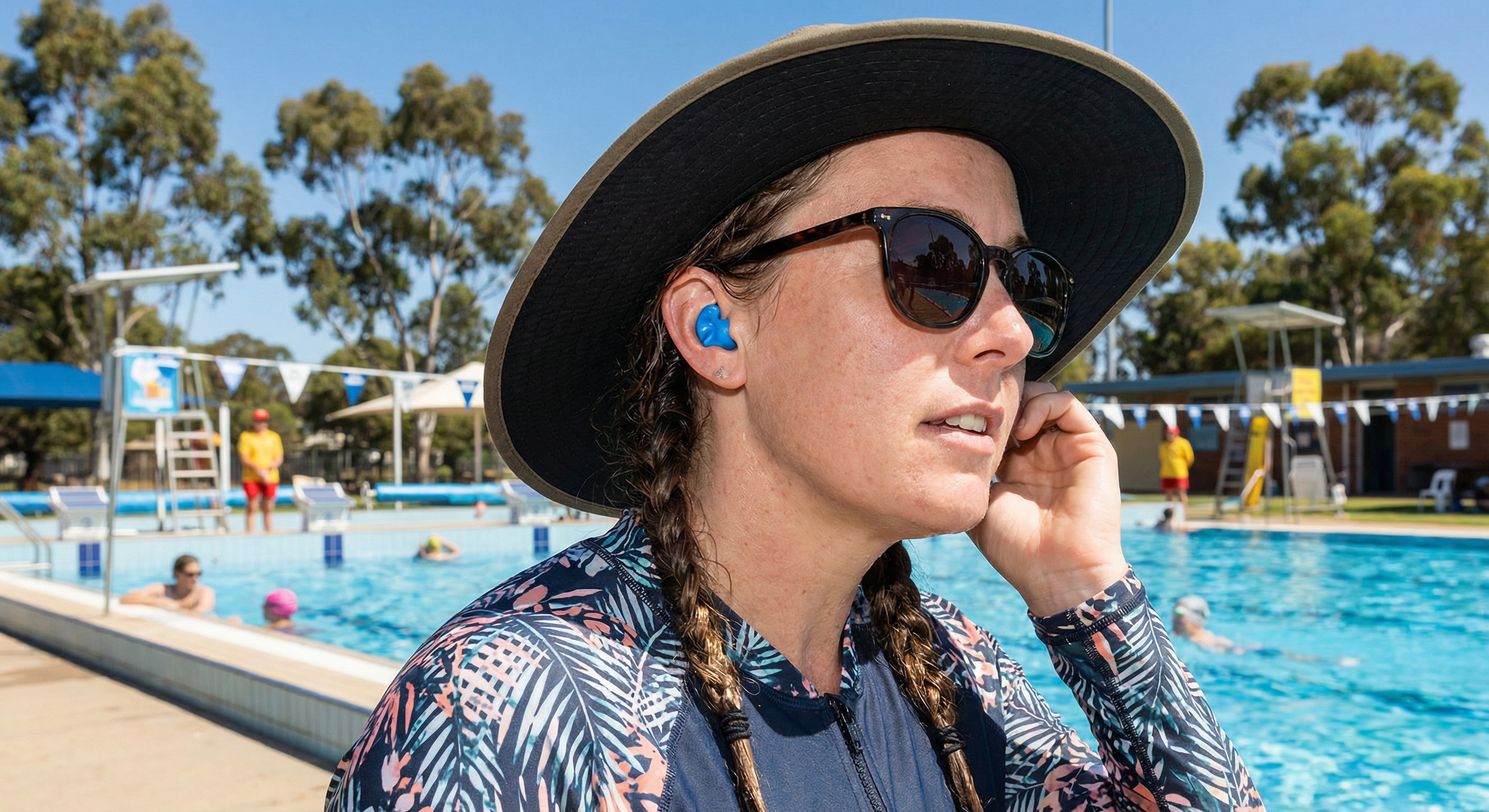
Which Swimming Ear Plugs Actually Keep Water Out
Introduction
Living on the Sunshine Coast means water is part of life. Whether you're swimming laps at Cotton Tree, catching waves at Alexandra Headland, or taking the kids to Kawana Aquatic Centre, protecting your ears in the water matters more than most people realise.
Swimming ear plugs aren't just for competitive swimmers or people with ear problems. Anyone who spends regular time in the water—especially in chlorinated pools or ocean surf—may benefit from proper ear protection. Water trapped in the ear canal can lead to discomfort, infections, and over time, may contribute to hearing issues.
Here's the thing about swimming and your ears: the outer ear canal wasn't designed to stay waterlogged. When moisture gets trapped, it creates an environment where bacteria can thrive. Add chlorine from pools or salt from the ocean, and you've got a recipe for irritation.
This guide covers everything you need to know about swimming ear plugs—from understanding why ear protection matters, to choosing between silicone, foam, wax, and custom-moulded options. We'll also look at what works for kids versus adults, and how to care for your ear plugs properly.
In This Article
Why Protect Your Ears While Swimming?
The Swimmer's Ear Problem
Swimmer's ear (otitis externa) is an infection of the outer ear canal. It happens when water stays in the ear after swimming, creating conditions where bacteria or fungi can grow. Symptoms typically include:
- Itching inside the ear canal
- Redness and discomfort
- Drainage of clear, odourless fluid
- Decreased hearing
- Pain when pulling on the outer ear
For regular swimmers—especially children who spend hours at the pool during summer—swimmer's ear can become a recurring frustration. While it's generally treatable, prevention is simpler than dealing with the discomfort.
Beyond Infection: Long-Term Considerations
Repeated exposure to water can also:
- Soften ear canal skin, making it more vulnerable to injury
- Wash away protective earwax, reducing natural defence
- Cause irritation from chlorine or salt water
- Lead to exostosis (surfer's ear) in some cases
Surfer's ear is a condition where repeated cold water exposure causes bone growth in the ear canal. It's common among surfers, divers, and ocean swimmers in temperate climates. While the Sunshine Coast water is warmer than southern states, ocean swimmers here still experience it.
Who Should Consider Ear Plugs?
Swimming ear plugs may be helpful for:
- People with frequent swimmer's ear
- Those with ear tubes (grommets)
- Swimmers with perforated eardrums
- Regular pool lap swimmers exposed to chlorine
- Ocean swimmers and surfers in areas with cold water
- Children prone to ear infections
- Anyone who finds water in their ears uncomfortable
You don't need an existing ear problem to use swimming ear plugs. Many people simply prefer the comfort of keeping water out.
Types of Swimming Ear Plugs
Not all ear plugs are created equal. Here's what you need to know about each type.
1. Silicone Ear Plugs
Putty-Style Silicone:
These are soft, mouldable plugs that you shape to cover the outer ear opening rather than inserting deep into the canal. They create a watertight seal over the entrance.
Pros:
- Comfortable for most people
- Don't go deep into the ear canal
- Reusable with proper care
- Affordable (around $10-15 per pair)
- Suitable for children and adults
Cons:
- Can fall out during diving or vigorous swimming
- Need replacing every few weeks with regular use
- May not seal well if hair gets caught underneath
Flanged Silicone:
These have a Christmas tree shape with multiple flanges that create a seal inside the ear canal.
Pros:
- Stay in place better than putty-style
- Good for active swimming
- Reusable and easy to clean
- Inexpensive
Cons:
- Can feel uncomfortable if inserted too deeply
- Sizing matters—one size doesn't fit all
- May not seal well for all ear canal shapes
2. Foam Ear Plugs
Foam plugs compress for insertion, then expand to fill the ear canal.
Best for:
Foam plugs are generally designed for noise reduction, not water protection. While some foam plugs claim to be water-resistant, they're not typically the best choice for swimming. Water can seep through the porous foam material.
When they might work:
If you already use foam ear plugs for sleeping and want light splash protection (like in a spa or gentle swimming), they're better than nothing. But for serious swimming, choose silicone or custom options.
3. Wax Ear Plugs
Similar to putty silicone, these are soft wax (often mixed with cotton fibres) that you mould to seal the outer ear.
Pros:
- Rated very comfortable by users
- Mouldable to your ear shape
- Affordable
- Often used for sleeping, can work for swimming
Cons:
- Single-use or limited reusability
- Can leave residue
- May soften in warm conditions
- Not as durable as silicone
4. Custom-Moulded Ear Plugs
These are professionally made to fit your exact ear canal shape. A hearing care professional takes an impression of your ear, and the plugs are manufactured specifically for you.
Pros:
- Perfect fit and seal
- Maximum comfort for extended wear
- Durable (can last 3-5 years with care)
- Less likely to fall out
- Ideal for serious swimmers, surfers, triathletes
Cons:
- Higher upfront cost ($150-250+ per pair)
- Require professional fitting
- Need to be replaced if ear anatomy changes
When to invest in custom:
If you swim multiple times per week, compete in swimming or triathlons, surf regularly, or have ongoing ear issues, custom-moulded plugs are worth the investment. The comfort and reliability over time make them cost-effective.
Custom vs Over-the-Counter: Which Is Right for You?
Choose Over-the-Counter (OTC) Silicone Plugs If:
- You swim occasionally (once or twice a week)
- You want to try ear plugs before committing to custom
- Budget is a primary concern
- You're buying for children whose ears are still growing
- You need a backup pair for travel
Popular OTC options include Speedo Biofuse, Mack's Pillow Soft Silicone, and Putty Buddies.
Choose Custom-Moulded Plugs If:
- You swim 3+ times per week
- You're a competitive swimmer, surfer, or triathlete
- You've had recurring swimmer's ear despite OTC plugs
- You have ear tubes or a perforated eardrum
- You find OTC plugs uncomfortable or ineffective
- You want maximum durability and long-term value
Swimming Ear Plugs for Children
Kids spend a lot of time in pools, especially during Queensland summers. Protecting their ears is important, but children have smaller, differently shaped ear canals than adults.
What Works for Kids:
Putty-style silicone: These are often the best starting point for children. They sit on the outside of the ear opening, so sizing isn't as critical. Brands like Putty Buddies make child-specific versions in bright colours that kids are less likely to lose.
Headbands with ear protection: Some kids (especially younger ones) struggle to keep plugs in place. Neoprene headbands designed for swimming can help keep putty-style plugs secure while also keeping water out of the ear canal.
When to Consider Custom for Kids:
If your child:
- Swims competitively
- Has grommets (ear tubes)
- Has had multiple ear infections related to swimming
- Is old enough that their ears have finished most of their growth (generally 10+ years)
Then custom-moulded plugs may be worth discussing with a hearing care professional.
Tips for Parents:
- Teach kids to dry their ears gently after swimming (tilt head to each side, use towel on outside only—never insert anything into the ear canal)
- Make ear plug use part of the swim routine (like putting on goggles)
- Choose bright colours so plugs are easier to find if they fall out
- Have a designated case to prevent loss
- Replace putty-style plugs regularly (they lose stickiness over time)
Caring for and Maintaining Your Swimming Ear Plugs
Proper care extends the life of your ear plugs and keeps them hygienic.
After Each Use:
1. Rinse with fresh water: Remove chlorine, salt, and debris
2. Dry thoroughly: Pat with a clean towel or let air dry
3. Store in a clean case: Avoid loose storage in wet swim bags
Weekly Cleaning:
- Wash silicone plugs with mild soap and warm water
- Rinse thoroughly and dry completely
- Check for tears, cracks, or loss of flexibility
- Replace if damaged or no longer sealing properly
When to Replace:
Putty-style silicone: Every 4-6 weeks with regular use (3+ times per week), or when they lose their stickiness.
Flanged silicone: Every 3-6 months, or if they become stiff or damaged.
Custom-moulded: Every 3-5 years, or if your ear anatomy changes (weight gain/loss, ageing) and the fit is no longer snug.
Signs It's Time for New Plugs:
- Water is getting in despite proper insertion
- The material has become stiff or cracked
- The seal feels loose
- Discolouration or odour despite cleaning
- Discomfort during wear
Getting the Fit Right
Even the best ear plugs won't work if they're not fitted properly.
For Putty-Style Silicone:
1. Make sure your hands and outer ear are completely dry
2. Knead the plug to soften it
3. Flatten into a pancake shape
4. Press firmly over the ear opening (don't insert into canal)
5. Ensure no gaps around the edges
6. No hair should be trapped underneath
For Flanged Silicone:
1. Insert the plug gently into the ear canal
2. Use a slight twisting motion
3. The flanges should create a seal without discomfort
4. You should feel a reduction in external sounds when properly inserted
5. Never force the plug deeper if it feels uncomfortable
Testing the Seal:
Once inserted, gently tug on your earlobe. If the plug moves or you feel air breaking the seal, adjust and reinsert. In the water, tilt your head and see if water enters. If you feel water getting in, remove, dry your ear, and reinsert.
Key Takeaways
- Swimming ear plugs help prevent swimmer's ear, reduce discomfort, and may protect against long-term issues like surfer's ear
- Silicone ear plugs (putty-style or flanged) are the most effective for water protection
- Custom-moulded plugs offer the best fit and durability for regular swimmers
- Children benefit from putty-style silicone plugs or ear protection headbands
- Proper insertion, regular cleaning, and timely replacement are essential for effectiveness
- If you experience persistent ear problems despite using ear plugs, professional assessment is recommended
Protect Your Ears with Professional Guidance
Whether you're a lap swimmer, ocean enthusiast, or parent of a water-loving child, finding the right ear protection can make your time in the water more comfortable and safer for your ears.
If you're experiencing recurring ear issues, have questions about custom-moulded ear plugs, or want to discuss ear protection options suited to your lifestyle, the team at Hearingcare on the Sunshine Coast can help.
Book a consultation to discuss your hearing health and water protection options.
References and Further Reading
- Australian Government Department of Health - Ear Health Information
- Audiology Australia - Water and Ear Health Guidelines
- World Health Organization - Prevention of Hearing Loss
- Australian Sports Commission - Safe Swimming Practices

Frequently Asked Questions
For recreational swimming, most people don't notice a performance difference with properly fitted ear plugs. Competitive swimmers sometimes report needing an adjustment period to get used to the sensation, but many elite swimmers train and compete with ear plugs without issue. If you're concerned, try them during training before using them in competition.
Putty-style silicone plugs can dislodge during diving or swimming underwater. If you regularly swim underwater or dive, flanged silicone or custom-moulded plugs are better choices. Always test your ear plugs in shallow water before relying on them for deeper swimming.
If you have water trapped in your ear, tilt your head to the affected side and gently pull on your earlobe to encourage drainage. You can also try lying on your side with the affected ear down. Avoid inserting cotton swabs or any objects into your ear canal. If water remains trapped for more than 24 hours, or if you experience pain, consult a healthcare professional. ---
This article is for educational purposes only. Individual results may vary. Professional hearing assessment is recommended for personalised advice.
Book Your Hearing Assessment